



A new $500m World Bank package raises questions about results on the ground.
Nigeria has secured an additional $500 million in World Bank financing for its Agro-Climatic Resilience in Semi-Arid Landscapes (ACReSAL) project. The programme is intended to restore degraded landscapes, improve water management and strengthen rural livelihoods across northern Nigeria. The announcement is significant, but the central issue for farming communities is what the money will change in practical terms: whether water becomes more reliable, soils more productive and livelihoods less exposed to climate shocks.
The World Bank announcement of November 6 says the programme is expected to reach 1.4 million hectares and benefit 6.6 million people by 2031. It also reports that since 2022 ACReSAL has introduced sustainable landscape management practices on about 550,000 hectares and reached more than 4.4 million beneficiaries. Those are reported programme reach figures. They do not, on their own, establish how much farmers’ incomes have improved, how much crop loss has been prevented or whether restored land will remain productive after project support ends.

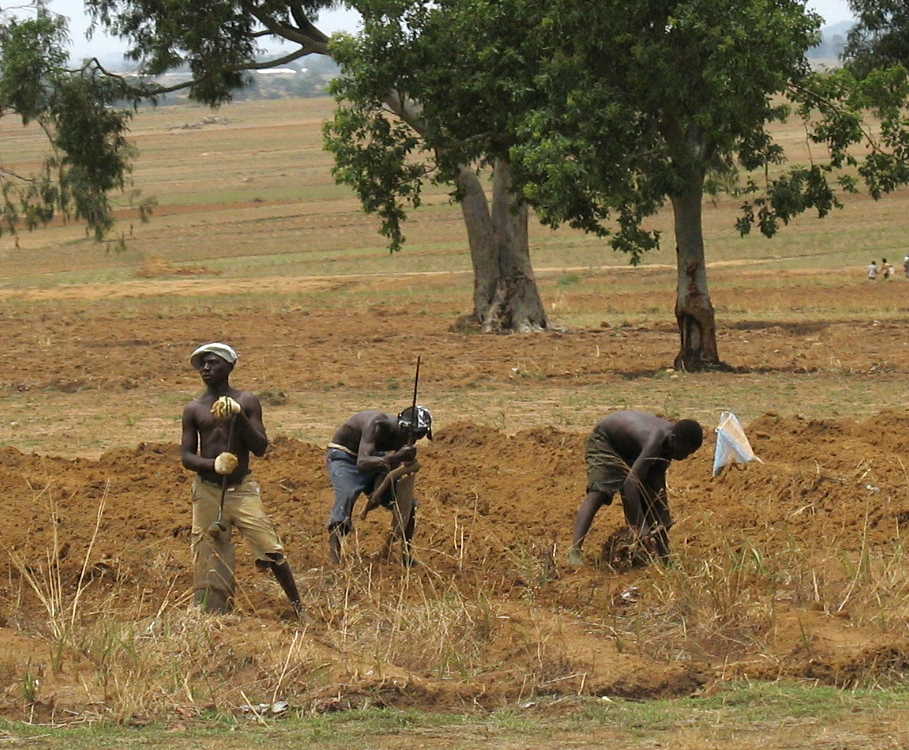
What should farmers see from the funding?
ACReSAL operates across the 19 northern states and the Federal Capital Territory. Its work addresses connected problems: degraded land, erosion, flooding, declining vegetation and pressure on water resources. These are not environmental concerns separate from agriculture. They affect how much land can be cultivated, the reliability of water supplies, the condition of grazing areas and the ability of communities to withstand difficult seasons.
The FAO’s overview of Nigeria’s agriculture sector identifies limited irrigation, land degradation, climate change, high production costs, inadequate finance and poor market access among the sector’s persistent constraints. Agriculture remains a major source of employment and livelihood in Nigeria, making climate adaptation an economic issue as much as an environmental one.
But hectares covered and people reached are not the same as improved livelihoods. A restored watershed may improve water retention, for example, but a farmer benefits only if water reaches the farm, the farmer can use it affordably and there is a reliable arrangement for maintaining the infrastructure. The same distinction applies to erosion-control structures, restored vegetation and community water projects.
The challenge is keeping projects working
Landscape restoration requires more than construction and initial planting. Communities need clear responsibilities, technical support and a way to manage competing demands over land and water after project teams have moved on. Without local ownership and maintenance arrangements, structures can deteriorate and restored areas can come under renewed pressure.
There is also a question of who benefits. Aggregate beneficiary figures do not show which households gained access to water, which farmers received practical support or whether women, poorer farmers and communities affected by insecurity benefited equally. Public reporting should explain who received what, where, for how long and with what measurable result.
Climate resilience must reach the farm
For farmers, resilience means being able to plant with more confidence, protect soil fertility, access water when rainfall is unreliable and avoid losing a season to erosion or flooding. It also depends on extension advice, suitable seeds, storage and routes to market. A landscape project cannot solve every weakness in the agricultural value chain, but it should explain how environmental restoration connects with these everyday needs.
Nigeria’s exposure to climate shocks has been examined in Harbinger’s analysis of El Niño and West Africa’s food supply and its report on climate-smart agriculture research grants. Both underline why adaptation cannot be reduced to a funding announcement. Farmers need solutions that fit local conditions and can be maintained beyond a project cycle.
The additional $500 million creates an opportunity, but it also creates an accountability obligation. The World Bank and Nigerian authorities should publish clear baselines, state-by-state targets and regular evidence of changes in soil condition, water availability, farm productivity and household income. They should distinguish money approved from money disbursed, activities completed from outcomes achieved, and people counted as beneficiaries from households receiving sustained benefits.
Nigeria does not lack climate plans or funding announcements. The harder task is ensuring that investments change the conditions under which rural people earn a living. ACReSAL should ultimately be judged not only by the land it aims to restore, but by whether farmers can point to lasting improvements in the land, water and income on which their families depend.