


Critical Analysis | Food Security, Grain Reserves and Agricultural Markets
When food prices rise sharply or a poor harvest threatens supplies, governments often turn to strategic food reserves as a means of protecting consumers and stabilising markets.
The principle is straightforward: purchase and store essential commodities when supplies are available, then release them when shortages, emergencies or excessive price increases threaten access to food.

For Nigeria, however, the effectiveness of this approach depends on a difficult set of questions. Are the reserves adequately stocked? Are the storage facilities functional? Can grain be released quickly enough to make a difference? And do the benefits reach vulnerable households, or do they remain concentrated within the wider commodity market?
Nigeria has announced new food-price stabilisation measures, including a ₦200 billion Guaranteed Minimum Price programme intended to protect farmers and strengthen the commercial food reserve. But the success of such interventions will depend on their implementation and their ability to address the deeper weaknesses in the food system.
The Purpose of Strategic Reserves
Strategic grain reserves are intended to provide a buffer against food shortages and sudden market disruptions. Governments can purchase commodities such as maize, rice and millet, store them under suitable conditions and release them when necessary.
Reserves can also support emergency response when floods, conflict or other shocks disrupt production and distribution. In some systems, government purchasing provides farmers with a buyer when market prices fall sharply after harvest.
However, reserves are not a substitute for a functioning agricultural market. Their effectiveness depends on accurate information about production, prices, stock levels and the needs of vulnerable communities.
If grain is purchased at the wrong time, stored poorly or released too slowly, the reserve may fail to achieve its purpose. If the quantities held are too small relative to national demand, its ability to influence prices may also be limited.
The question is therefore not simply whether Nigeria has silos. It is whether the country has a reliable system for purchasing, storing, managing and distributing food when it is needed most.
A Storage System Under Pressure
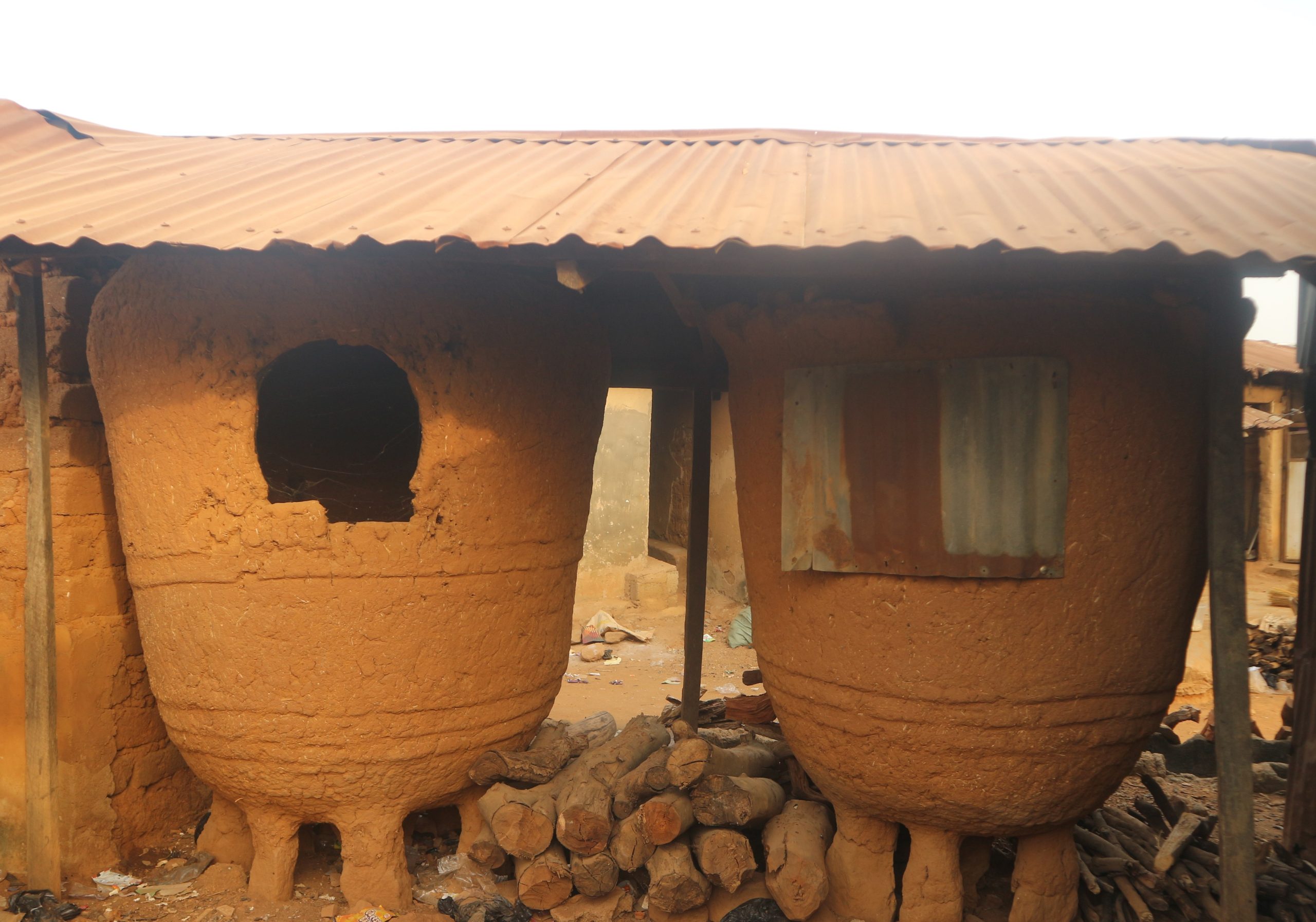
A Guardian investigation published on May 17, 2025 examined long-standing concerns about Nigeria’s strategic grain reserves, including underused facilities, maintenance problems and inadequate stock levels.
The report cited figures indicating that the country had 33 government silo complexes with a combined capacity of approximately 1.336 million metric tonnes, alongside 51 warehouses with a combined capacity of about 108,000 metric tonnes.
It also reported that a 2023 assessment by the Federal Ministry of Agriculture and Rural Development and the Alliance for a Green Revolution in Africa put actual grain stocks in the reserve at approximately 100,000 metric tonnes. That was only 7.6 per cent of the cited minimum requirement of 1.3 million metric tonnes for six months of food security.
These are historical figures, not a verified inventory of the reserves as of October 2026. They nevertheless illustrate the gap that can emerge between storage capacity and the quantity of food actually held.
A silo can have a large theoretical capacity without being fully operational. It may require repairs, pest control, appropriate drying facilities, reliable power or additional equipment before it can safely store grain.
The availability of food in a reserve also depends on funding and procurement. Governments need to purchase grain, maintain stock quality, replace commodities as they age and establish clear rules for when stock should be released.
Without regular maintenance and adequate funding, storage infrastructure may exist without providing the security it was intended to deliver.
The ₦200 Billion Question
In September 2026, the Bank of Agriculture announced a ₦200 billion Guaranteed Minimum Price programme intended to protect farmers against sharp falls in commodity prices and strengthen Nigeria’s food reserves.
According to the Bank of Agriculture’s programme announcement, the initiative is designed to support grain farmers through a guaranteed price floor for eligible produce. The programme is intended to use aggregation and recognised commodity warehouses, with produce graded, verified and documented through warehouse receipts.
The bank said the scheme was expected to reach more than 500,000 farmers and impact approximately 11.5 million households nationwide. It also described a planned system for aggregating and purchasing grains, including maize, rice, sorghum and soybeans.
The programme addresses an important problem. Farmers can suffer heavy losses when prices fall sharply after harvest, especially if they must sell quickly to repay loans or cover household expenses. A guaranteed minimum price can give eligible farmers greater certainty about the return on their produce.
However, the announcement of a programme and its intended reach should not be mistaken for proof that the stated number of farmers has received support or that the planned quantities of grain have been purchased.
The critical indicators will be the value of eligible produce actually purchased, the number of farmers paid, the speed of payment, the quality and volume of grain stored, and the programme’s impact on farmers’ incomes and market prices.
Transparent reporting will be essential if the initiative is to build confidence among farmers, traders and the public.
Can Reserves Lower Food Prices?
A strategic reserve can influence food markets, but the effect depends on its size, timing and distribution arrangements.
When government releases grain during a shortage, additional supply may help moderate prices. But if the quantity released is small relative to market demand, or if distribution is delayed, the effect may be limited.
The relationship between reserves and retail prices is also not automatic. Grain may need to be transported, milled, processed or distributed through several intermediaries before it reaches consumers. Each stage can add costs.
A government programme that successfully purchases grain from farmers may improve farm incomes without immediately reducing retail prices. Conversely, a release of grain may increase market availability but fail to provide meaningful relief to households if transport costs remain high or the distribution system is inefficient.
This is why reserve policy should be linked to broader measures that improve storage, transport and market access.
Authorities also need to define the purpose of each intervention. Emergency reserves intended for vulnerable households may require different distribution arrangements from commercial grain purchases intended to stabilise markets or support farmers.
If these objectives are mixed without clear rules, it becomes difficult to determine whether public spending is achieving its intended results.
Transparency Is Essential
One of the most important questions surrounding strategic reserves is how the public can verify what government holds and what happens to it.
A credible system should publish regular information on purchases, stock levels, storage conditions, releases, losses and the destinations of distributed grain. Such reporting would help farmers, traders and consumers understand whether reserves are being managed according to clear objectives.
Independent audits can help establish whether recorded quantities correspond to physical stocks and whether grain remains suitable for consumption. Procurement records can also provide information about the prices paid to farmers and the costs of storage and distribution.
Without transparent reporting, it is difficult to determine whether a reserve is adequately stocked, whether facilities are being used efficiently or whether public expenditure is delivering value.
Accountability is especially important when large sums are committed to stabilising food prices. The public should be able to distinguish between money approved for a programme, money spent on purchases and the actual volume of food made available.
Farmers Need More Than a Buyer
A guaranteed purchase price can protect farmers from sudden market collapses, but it cannot resolve every challenge facing agricultural production.
Farmers still need affordable inputs, security, suitable storage, access to finance and reliable transport. If these costs remain high, a guaranteed price may provide only partial protection against losses.
The programme must also be designed carefully to avoid excluding farmers who cannot meet documentation or aggregation requirements. Smallholder producers may need support through cooperatives, extension services and accessible collection points to participate effectively.
There is also a question of market design. If government purchasing is predictable and transparent, it may encourage farmers to invest in production. But if the process is delayed, unclear or limited to a narrow group of suppliers, it may fail to provide broad protection.
The goal should be to strengthen commercial markets while providing a credible safety net, rather than replacing private trade with an unpredictable government buyer.
Harbinger has also examined the pressures facing Nigerian producers in its report on Kaduna ginger farmers and Bank of Agriculture support.
Reserves Cannot Replace a Strong Food System
Nigeria’s food-security challenge extends beyond grain stocks.
Climate shocks can reduce harvests, insecurity can prevent farmers from reaching their land, and high transport costs can make food expensive even when supplies are available. Post-harvest losses can also reduce the amount of produce that reaches markets.
Strategic reserves can help cushion some of these shocks, but they cannot independently resolve them. A well-stocked warehouse offers limited protection if roads are impassable, distribution routes are unsafe or households lack the income to buy food.
Nigeria therefore needs to combine reserve management with stronger agricultural production, storage infrastructure, market information, efficient transportation and targeted assistance for vulnerable households.
The country must also recognise that food security involves more than grains. Many households depend on vegetables, roots and tubers, fish, meat and other products that require different storage and distribution systems.
A strategy focused exclusively on grain reserves may help protect supplies of essential staples but cannot address every dimension of nutrition and food affordability.
What Nigeria Must Get Right
Nigeria should assess its food-reserve system through operational performance, not just announced capacity or budget allocations.
The government needs reliable information on actual stocks, functional storage facilities, procurement costs and release mechanisms. The ₦200 billion Guaranteed Minimum Price programme should be evaluated against published targets and independently verifiable results, including farmers paid, grain purchased and food made available.
Moreover, reserve policy must be coordinated with transport, storage, market and social-protection measures. Food released into the market should reach its intended destination efficiently, while support for vulnerable households should be designed to improve access to food rather than rely solely on the assumption that additional supply will automatically make meals affordable.
The central test is whether public intervention makes the food system more resilient when harvests fail, prices surge or households face economic hardship. Nigeria’s reserves should function as a credible buffer against crises, not simply as warehouses on paper. Their value will ultimately be determined by whether they protect farmers from destructive price collapses, help stabilise supplies and make food more accessible when Nigerians need it most.