


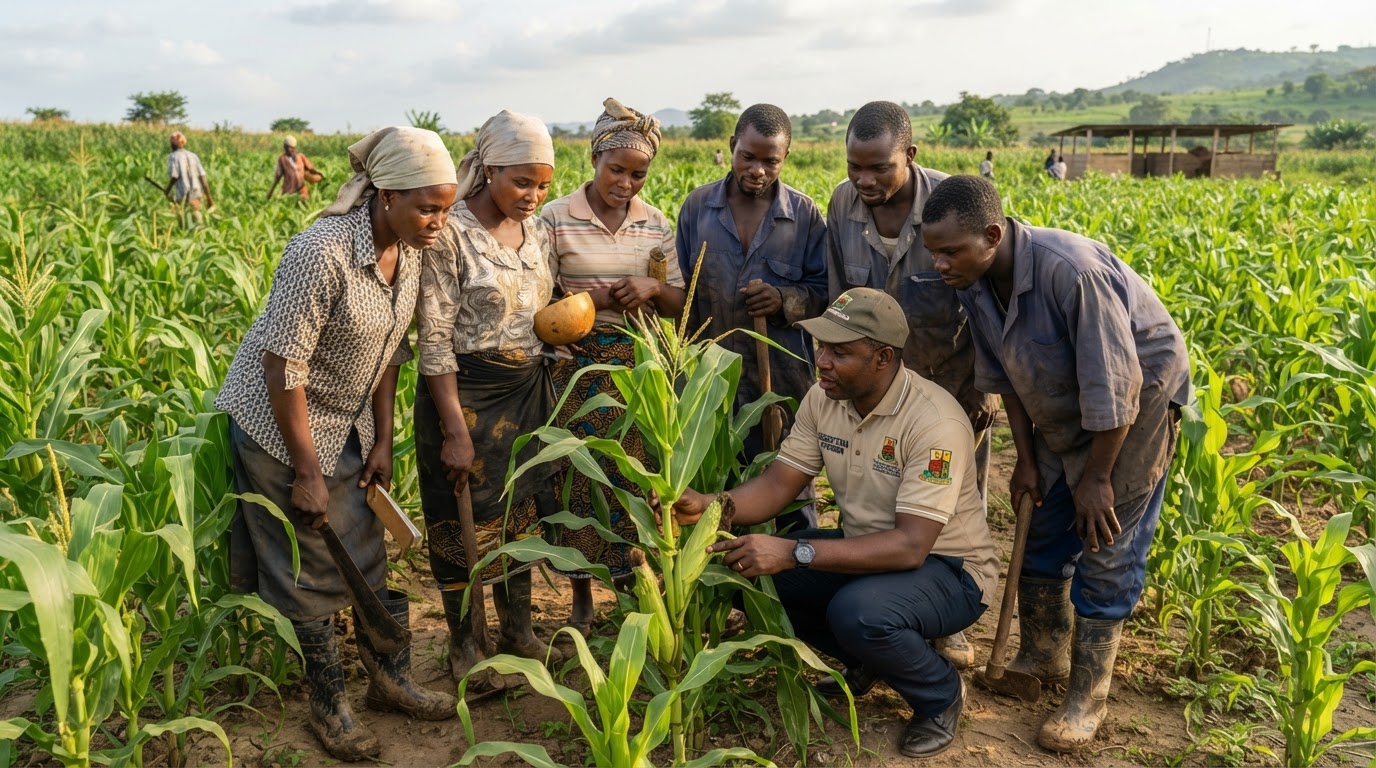
Nigeria does not lack agricultural strategies. The harder question is whether the institutions responsible for delivering them can work together, measure progress and account publicly for what has or has not been achieved.
A national review convened by the Federal Ministry of Budget and Economic Planning and the Food and Agriculture Organization in October examined progress on Nigeria’s 78 Priority Food Systems pathways. The meeting also validated a proposed Standard Operating Procedure intended to clarify responsibilities for coordination, implementation, monitoring and reporting.
The review is part of the Agri-Food System Transformation and Innovation in Nigeria programme, supported by the UN Joint SDG Fund and implemented with FAO, IFAD, WFP and UNICEF. The framework covers interconnected issues such as food production, nutrition, climate change, insecurity, post-harvest losses and rising prices.

Many priorities, many institutions
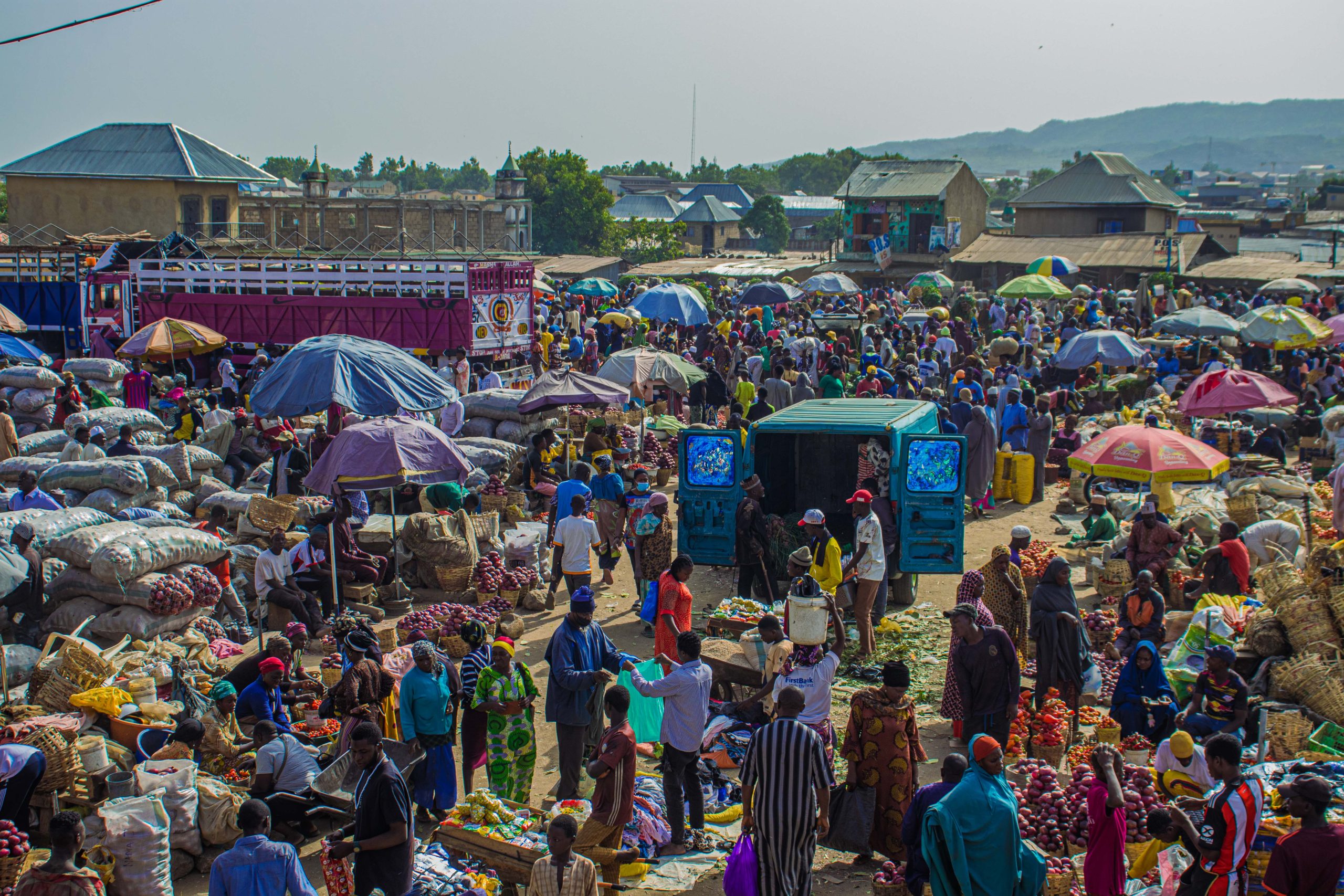
Food systems cut across ministries and levels of government. Agriculture agencies influence production and extension; budget and planning institutions coordinate national priorities; health and nutrition agencies address dietary outcomes; transport and infrastructure authorities affect the movement of food; and state and local governments shape services on the ground.
When responsibilities overlap or are unclear, programmes can be duplicated while important gaps remain unattended. A coordination procedure may help, but only if it assigns specific duties, timelines and reporting obligations to named institutions.
Coordination must lead to delivery
Meetings and review documents are useful for identifying problems, but they are not outcomes. The public needs to know which of the 78 pathways have moved from planning to implementation, how much has been spent, which communities have benefited and what measurable changes have followed.
For example, a commitment to reduce post-harvest losses should be linked to storage capacity built or repaired, the number of farmers using it and the quantity of produce saved. A commitment to improve nutrition should be assessed through indicators that show whether vulnerable households have better access to diverse and safe food.
States cannot be an afterthought
Food production and market conditions vary widely across Nigeria. A national plan must therefore allow states to identify their most urgent priorities while maintaining common reporting standards. Zonal consultations can help share experience, but local governments and farmer organisations also need a role in monitoring what happens after the meetings end.
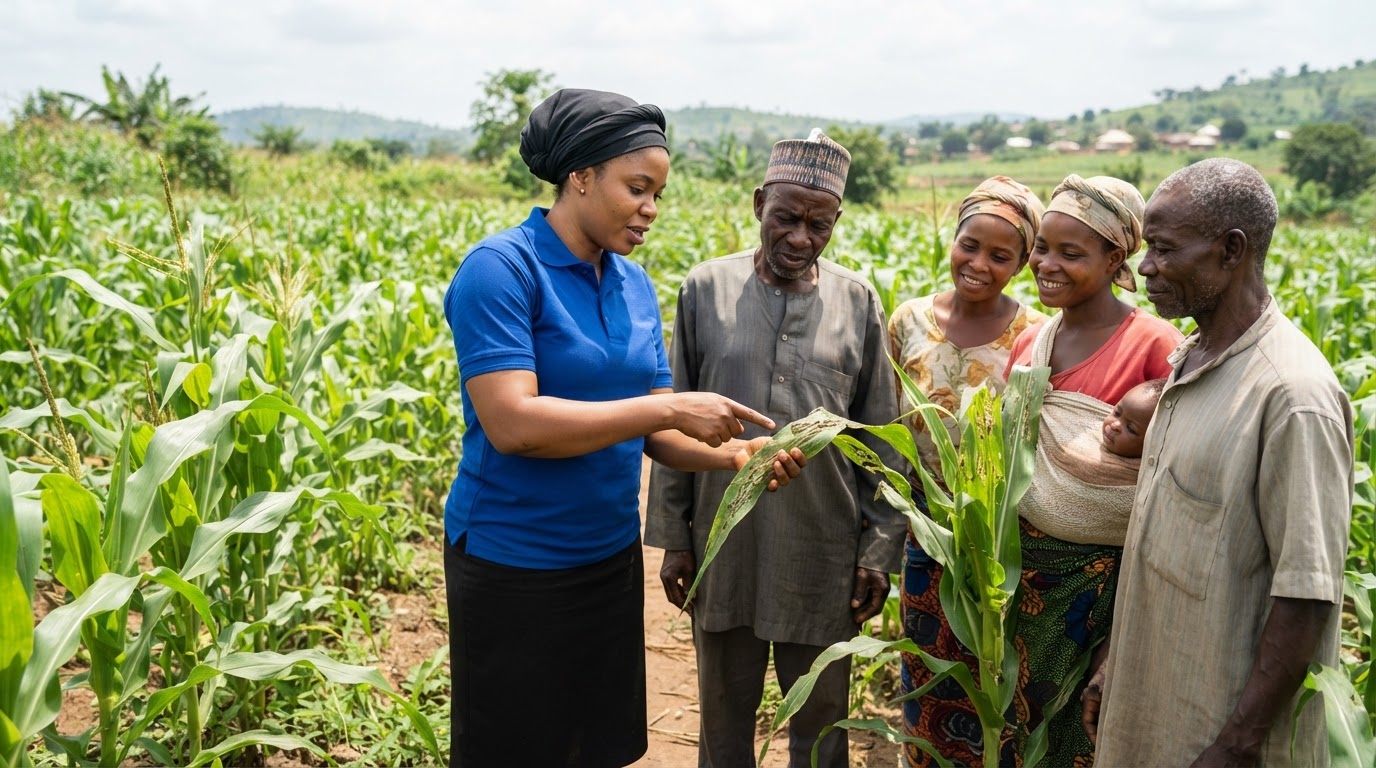
Farmers, processors, traders, women’s groups and consumer organisations should be able to report whether policies are working. Their feedback can reveal practical barriers that may not appear in national dashboards, such as delayed input delivery, inaccessible credit, poor rural roads or the cost of storage.
Make progress public
The proposed coordination procedure should be accompanied by a public scorecard. Such a tool could list each priority, the lead institution, annual targets, allocated funding, delivery status and evidence of results. Independent civil society and research institutions should be able to scrutinise the information.
Without transparent reporting, the 78 pathways risk becoming another ambitious policy framework that is difficult for citizens to evaluate. The challenge is not simply to coordinate government meetings, but to make institutions answerable for the food security and livelihood outcomes they promise.
Nigeria’s food-system transformation agenda recognises that hunger, farm productivity, climate risks and market failures are connected. Its success will depend on whether that recognition changes the way institutions plan and work together. The country needs fewer disconnected announcements and more visible evidence that agreed priorities are reaching farms, markets and households.
Source: FAO report on Nigeria’s food-systems strategy review, October 30, 2026.