


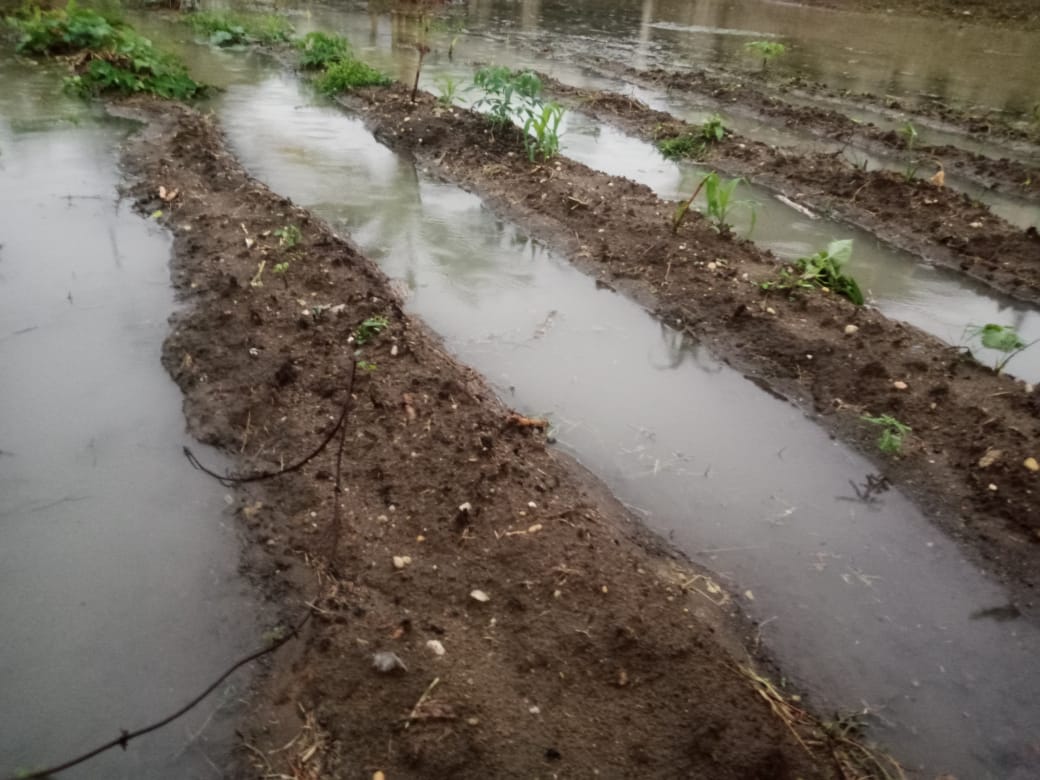
El Niño and food security in West Africa are drawing attention as early warning experts assess rainfall risks across the Sahel, with early warning experts identifying the Sahel of West Africa, including northeastern Nigeria, among areas where below-average rainfall has already been observed.
In an October 6 special report, the Famine Early Warning Systems Network (FEWS NET) said the 2026–27 El Niño had strengthened rapidly and was expected to drive significant rainfall anomalies across several regions. The report said below-average rainfall had already occurred in parts of the Sahel, while Southern Africa faced a risk of below-average rains during the October 2026 to March 2027 season.
FEWS NET cautioned that the most serious food-security effects may emerge months after the rainfall disruptions, during the lean season that follows a poor growing season. Its findings are detailed in the 2026–2027 El Niño food-security special report.

What the warning means
El Niño is a climate pattern linked to changes in sea-surface temperatures in the tropical Pacific Ocean. It can shift rainfall patterns around the world, increasing the likelihood of drier conditions in some places and heavier rainfall in others. It does not mean that every part of West Africa will experience drought, and the effects differ by location and season.
FEWS NET identified the Sahelian parts of West Africa, including northeastern Nigeria, as areas where rainfall deficits and dry spells were among the concerns during the 2026 rainy season. It also stressed that food insecurity is usually driven by several pressures at once, including conflict, high prices and damaged livelihoods. El Niño should therefore not be treated as the sole explanation for food shortages.
The distinction matters for Nigeria. Farmers in the far north, the Middle Belt and the southern states work with different rainfall patterns and crop calendars. A forecast that signals risk in one ecological zone should not be presented as a prediction for the entire country.
The warning may come before the impact
One of the most important points in the FEWS NET assessment is the delay between a weather shock and its full effect on food access. Poor rainfall can affect planting and farm labour immediately, but the impact on harvests, household food stocks, livestock and market supplies may become more visible months later.
When harvests are lower than expected, households may use up their food stocks earlier, sell livestock or other assets, or reduce the number and quality of meals. The pressure can continue after the weather pattern changes because families need time and resources to rebuild their livelihoods.
This is why early warning needs to be connected to early action. Governments and humanitarian organisations can use seasonal forecasts to identify vulnerable communities, prepare targeted assistance and support farmers before losses become more difficult to reverse.
Nigeria needs local forecasts
The Nigerian Meteorological Agency provides seasonal climate predictions covering rainfall onset and cessation, rainfall amounts, the length of the growing season, temperature and dry spells. Its 2026 Seasonal Climate Prediction is intended to guide weather-sensitive sectors, including agriculture and water management.
For farmers, the value of a forecast depends on whether it reaches them in a form they can use. General national announcements are not enough. Farmers need localised information, delivered in accessible languages and early enough to influence decisions about planting dates, crop varieties, irrigation and water storage.
The Food and Agriculture Organization’s September 2026 Nigeria country brief reported that dry spells between May and July had affected crops in parts of Oyo, Kwara, Osun, Ekiti, Ondo and Edo states, with localised production shortfalls expected. The report illustrates why climate risks need to be monitored at state and local levels rather than treated as a single national condition.
From forecasts to farm support
Forecasts cannot prevent every climate shock, but they can help reduce the damage when linked to practical support. Farmers may need access to drought-tolerant seeds, small-scale irrigation, water harvesting, crop insurance and extension advice. Livestock keepers may need information on pasture conditions and alternative feed sources.
The cost of these measures remains a major barrier for smallholder farmers. Without affordable finance and access to equipment, advice about climate adaptation may not translate into action.
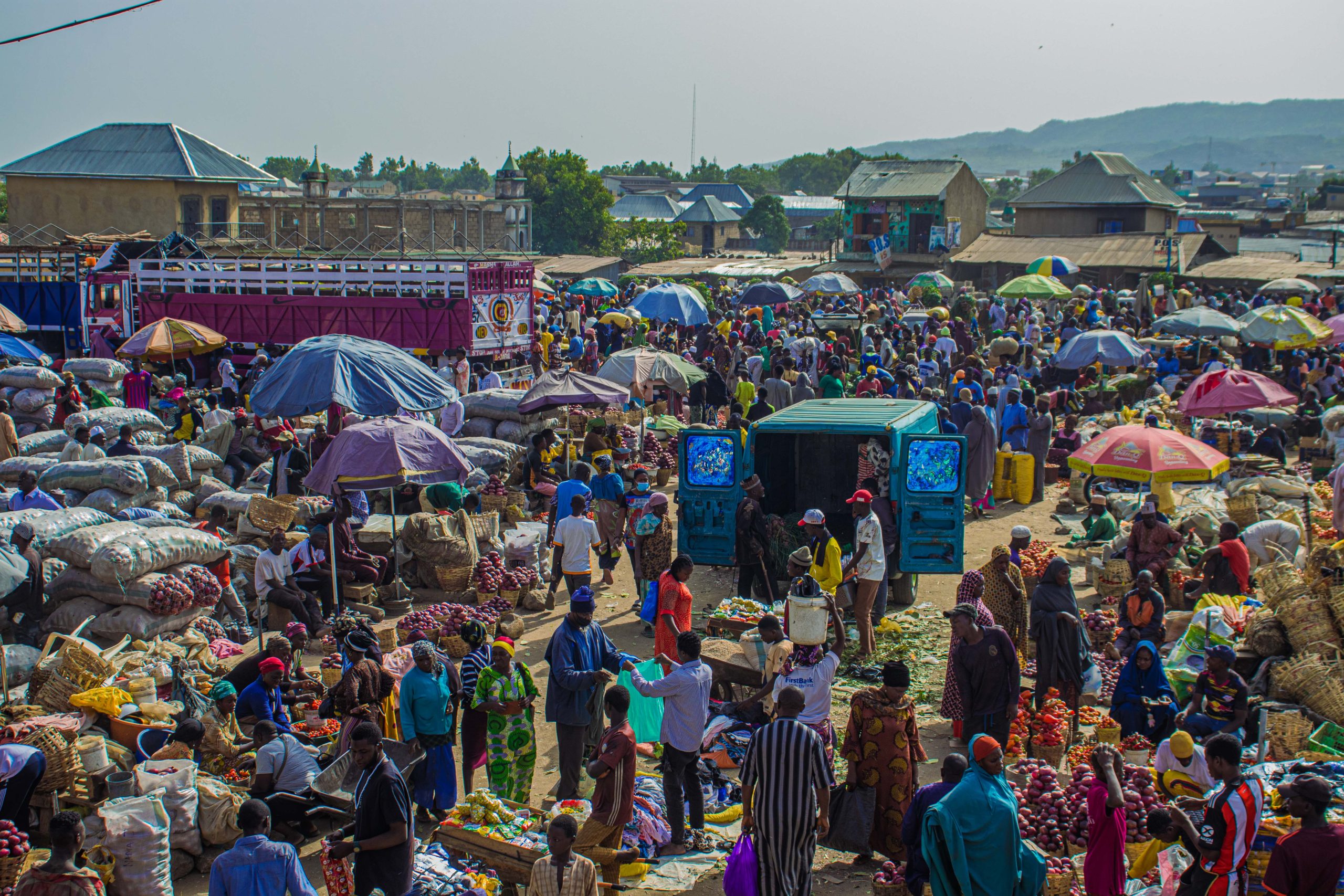
Nigeria’s response should also account for the condition of rural infrastructure. Drainage, water storage, feeder roads and market facilities influence how communities cope with both dry spells and excessive rainfall. Climate resilience is not only about what happens in the field; it also involves whether food can be stored, transported and sold after harvest.
The El Niño outlook gives authorities time to prepare, but the warning will matter only if it informs decisions at state and community level. Farmers need timely information and practical options before weather conditions damage the next harvest.