


The Federal Government’s plan to release three million bags of fertiliser is intended to reduce production costs and support farmers, but the announcement raises a familiar question: how quickly will the inputs reach the people who need them?
The Minister of Agriculture and Food Security, Abubakar Kyari, announced the planned release during the presentation of the 2026 Wet Season Agricultural Performance Survey. The ministry said the Presidential Fertiliser Initiative was preparing to release the bags within the following month as part of wider measures to lower food costs and strengthen domestic production.
Timing determines value
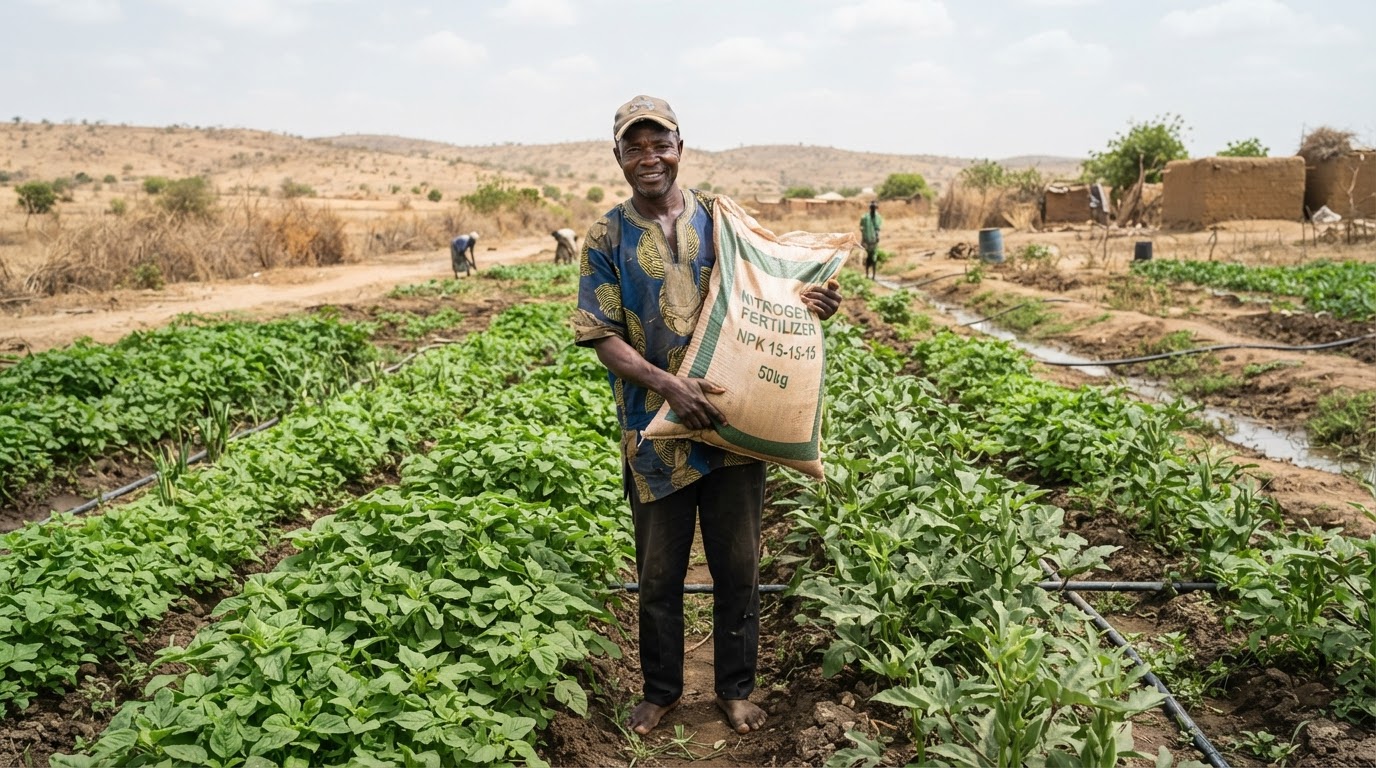
Fertiliser is most useful when farmers receive it before or at the appropriate stage of the planting cycle. A delivery that arrives after the critical application window may have limited value, even if the total quantity is substantial. Farmers who are forced to buy late or borrow at high cost may also lose the benefit of a cheaper public supply.

The country’s different agro-ecological zones do not share one planting calendar. Distribution plans therefore need to reflect local seasons, crop requirements and transport conditions. A national release target should be matched with state-by-state delivery schedules that farmers can verify.
Quantity is not the whole story
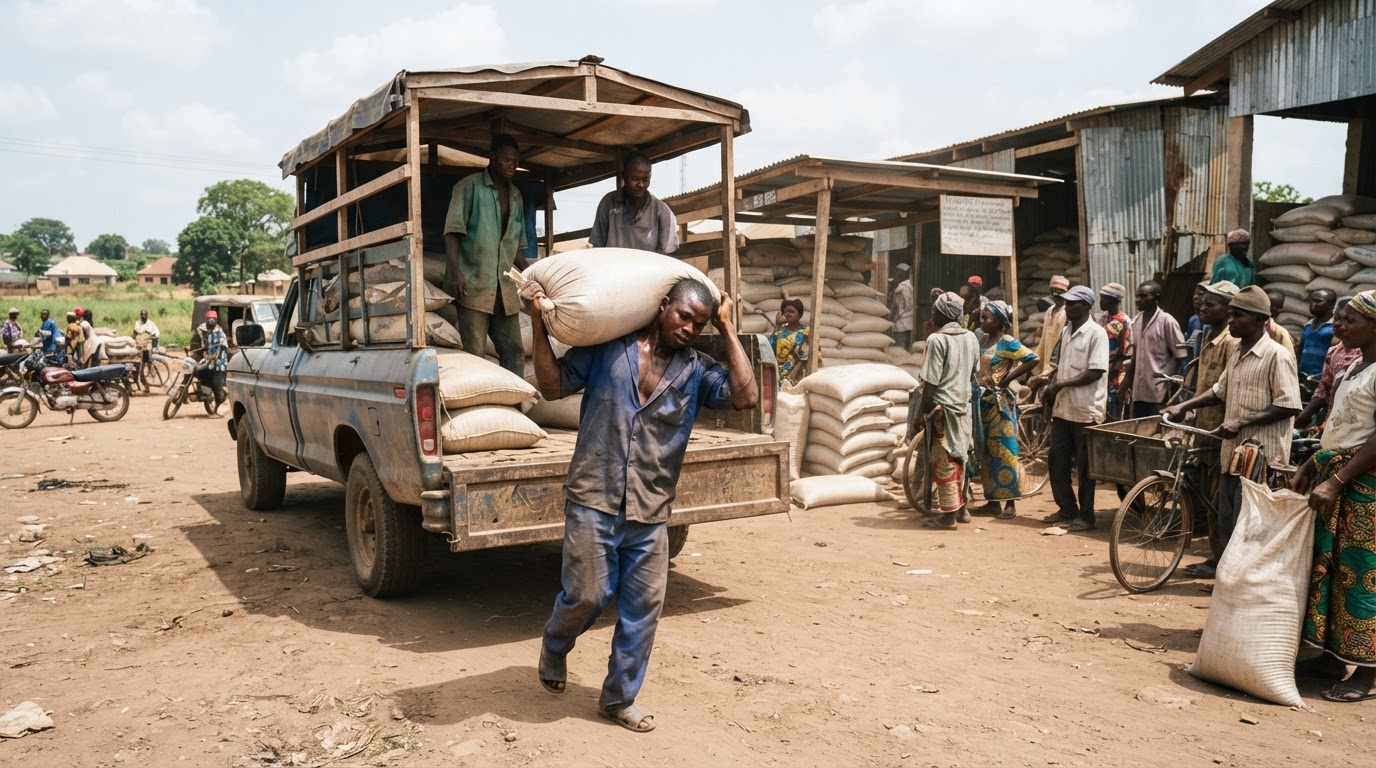
Three million bags may sound substantial, but the impact depends on the size of the farming population, the crops covered and the amount each eligible farmer can obtain. Authorities should explain the allocation formula, the price farmers will pay, the distribution points and whether smallholders can access the product without paying unofficial fees.
There is also a quality question. Farmers need fertiliser that meets stated standards and is suitable for their crops and soils. Poor-quality or inappropriate inputs can waste scarce money and reduce yields. Extension advice and soil testing should therefore accompany distribution wherever possible.
Prevent diversion and exclusion
Public input programmes can be undermined when supplies are diverted, captured by intermediaries or sold above the announced price. A transparent beneficiary register, public distribution records and accessible complaints channels can help reduce these risks. Farmers should be able to confirm where supplies are available and report shortages or demands for extra payments.
Digital registration may improve tracking, but it should not become a barrier for farmers without smartphones, reliable connectivity or formal identity documents. Cooperatives and local extension offices can help reach those who might otherwise be excluded.
Connect fertiliser to productivity
Fertiliser is only one part of crop production. Farmers also need quality seed, water, pest management, machinery, credit and access to buyers. The 2026 NAERLS survey identified seed quality, extension shortages, pests and weather disruptions among the challenges affecting output. This suggests that input distribution should be part of a broader productivity plan rather than a stand-alone intervention.
The government should publish how many bags have been procured, where they have been delivered, how many farmers have received them and what price they paid. It should also assess whether the support improves yields and farm incomes. Without these details, the public will know the size of the promise but not whether it has changed conditions on the farm.
Three million bags could provide meaningful support, but only if timing, quality, affordability and accountability are addressed. The real achievement will not be the announcement of a release; it will be farmers receiving the right fertiliser before their crops need it.
Source: Federal Ministry of Agriculture and Food Security, November 20, 2026.