


Nigeria’s latest agricultural outlook contains encouraging production projections, but the gains remain vulnerable to a familiar threat: flooding. The 2026 Wet Season Agricultural Performance Survey identified seven states that reported severe flooding, with other states recording moderate incidents. The findings show why a stronger harvest forecast should not be treated as a guarantee of stable food supply.
The affected states listed in the survey include Niger, Jigawa, Yobe, Ogun, Osun, Enugu and Ebonyi. The same assessment noted erratic rainfall and dry spells in farming communities. These contrasting weather conditions create difficult decisions for farmers, who must manage both excess water and periods when rainfall is insufficient.
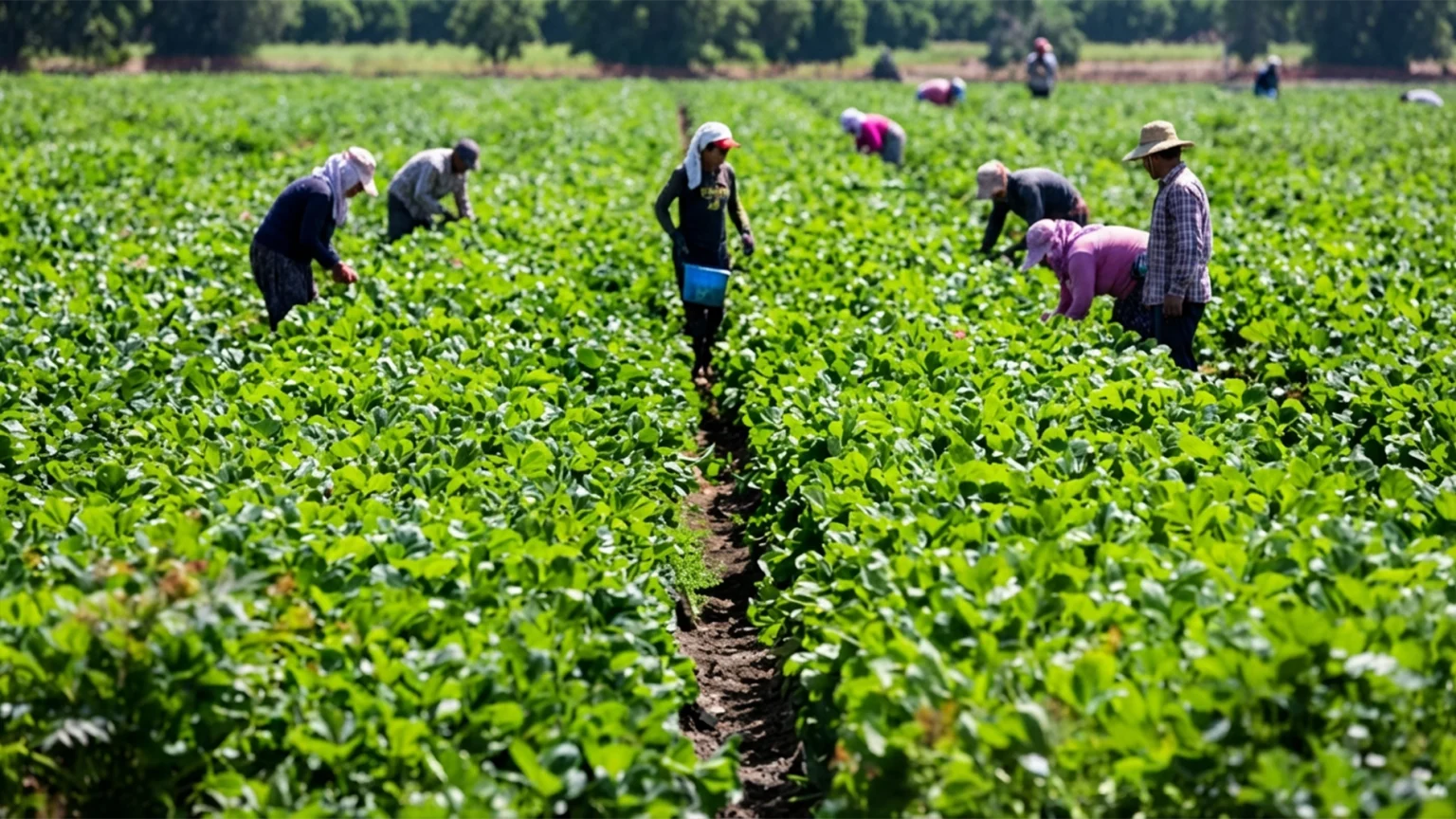
Flooding has a cost beyond the field
Floods can destroy standing crops, wash away soil nutrients, damage farm roads and disrupt access to markets. For smallholders, the loss may include the money already spent on seed, fertiliser, labour and land preparation. A farmer who loses a crop may also struggle to repay seasonal borrowing or finance the next planting cycle.

The effects can extend beyond the immediate location. When production areas are cut off, traders may face delays and higher transport costs. Processing businesses can experience irregular supplies, while consumers in distant towns may pay more for commodities that remain available elsewhere.
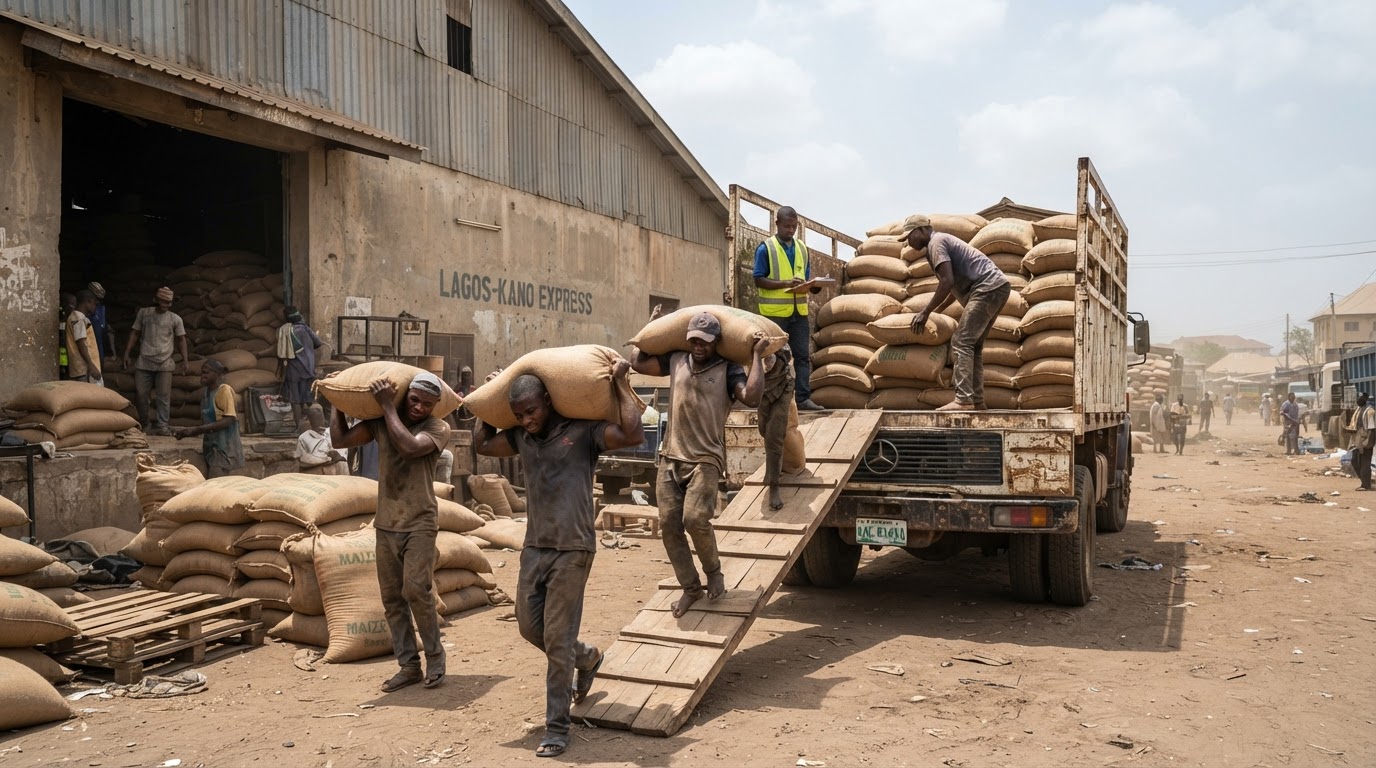
Early warnings must reach farmers
Weather forecasts and flood alerts are useful only when they reach farmers early enough to influence decisions. Local authorities and extension services need to translate forecasts into practical advice about planting dates, drainage, crop selection and safe storage. Farmers also need clear information about areas at risk and where to seek assistance when fields become inaccessible.
NAERLS identified shortages of extension agents as a challenge. With one active agent serving an average of 4,982 farm families nationally, and coverage weaker in some regions, the system may struggle to provide the local support required during a fast-moving weather event.
Resilience requires investment
Drainage, small-scale irrigation, flood-resistant infrastructure, improved storage and accessible weather information can reduce exposure. But these measures require planning and maintenance. A drainage channel that is blocked or a storage facility that is too far from farming communities will not provide the protection farmers need.
State governments should identify repeatedly affected farming communities and prioritise local risk mapping, maintenance of rural roads and drainage, and support for community-level storage. Federal agencies can provide technical guidance and coordinate data, while local institutions ensure that interventions reflect conditions on the ground.
Protect farmers after the shock
When floods destroy crops, timely recovery support matters. Farmers may need access to replacement seed, short-term credit, extension advice and insurance claims that do not take months to resolve. Support should be based on transparent assessments so that assistance reaches affected households rather than being distributed through opaque lists.
Insurance coverage remains important, but products must be affordable, understandable and designed around the risks farmers actually face. Clear information about eligibility, evidence requirements and payout timelines can build trust in agricultural insurance.
Nigeria’s 2026 crop outlook shows that production can improve even while climate risks remain serious. The policy challenge is to protect those gains by investing in preparedness, local infrastructure and recovery systems. Without that work, every season risks turning into a cycle of planting, weather damage and rebuilding.
Sources: NAERLS survey findings; FEWS NET Nigeria Food Security Outlook.