


Lower prices for some staple foods have offered a measure of relief in Nigeria, but the improvement has not translated into a meaningful reduction in severe food insecurity. The October 2026 Food Security Monitor by the Alliance for a Green Revolution in Africa (AGRA) estimated that 36.29 million Nigerians were experiencing crisis-level or worse food insecurity.
The report said Nigeria continued to have the largest absolute number of people in this category among the 17 African countries monitored. At the same time, average maize prices fell by seven per cent month-on-month in October, while rice prices declined by 11 per cent. The contrast raises a critical question: why can food become cheaper in the market while millions of households remain unable to eat adequately?
Price declines are not enough
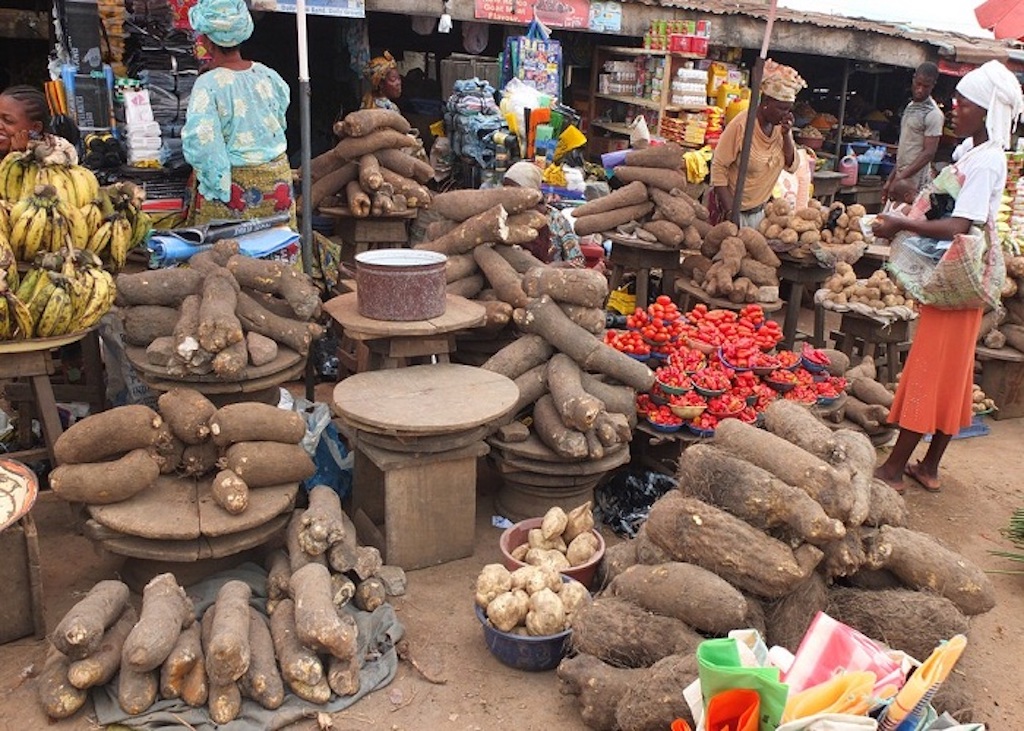
A fall in the average price of a commodity does not mean it has become affordable to every household. Income, employment, household size, transport costs and local market conditions all shape what people can buy. A family with irregular earnings may still struggle even when the price of maize or rice falls from the previous month.

National averages can also hide sharp differences between locations. Communities affected by insecurity, displacement or poor road access may face prices that differ from those recorded in major markets. In parts of the North-East, conflict continues to disrupt farming, trade and humanitarian access.
Income determines access
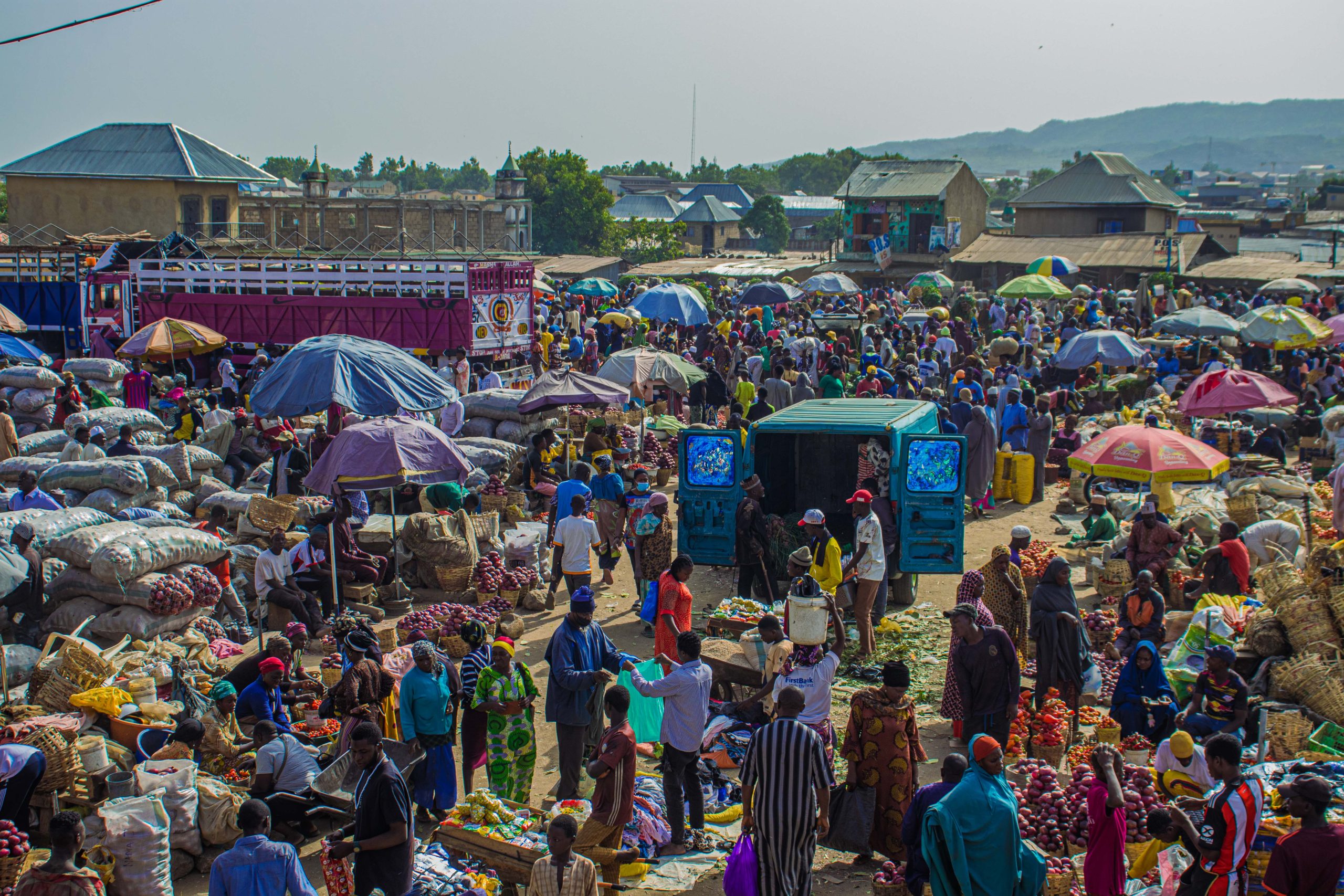
Food security is not simply about whether food exists. It is also about whether households can obtain it consistently and safely. People who have lost livelihoods, fled their homes or depend on casual work may not benefit immediately from a seasonal decline in staple prices.
AGRA’s assessment linked food security pressures to conflict, insecurity, climatic shocks and elevated input costs. These factors affect both sides of the market: farmers face higher production risks and costs, while consumers face unstable incomes and expensive transport.
Farm supply chains matter
For agricultural businesses, the figures show why improving production alone will not resolve the food crisis. Investment is also needed in storage, aggregation, processing, logistics and distribution. When food spoils before reaching consumers or transport costs rise sharply, the benefits of a better harvest can be lost along the supply chain.
The report also highlighted improvements in Nigeria’s AfCFTA certificate-of-origin processing, which has been reduced from more than five days to 24 hours. Faster certification could help eligible exporters, but regional trade gains must be matched by stronger domestic supply systems and attention to local affordability.
Target vulnerable households
Government responses should distinguish between market-wide price measures and direct support for households facing the most severe hardship. Releasing stored grain may help increase supply in selected markets, but its impact depends on the quantity released, the distribution method and whether the grain reaches areas where households need it most.
Social protection, livelihood recovery, nutrition support and access to jobs remain important. In conflict-affected areas, restoring safe access to farmland and markets is essential to reducing dependence on emergency assistance.
The October figures provide two messages at once. Lower maize and rice prices are encouraging, but the persistence of 36.29 million people in crisis-level or worse food insecurity shows that affordability is about more than a monthly price movement. Nigeria must connect production, incomes, market access and targeted support if temporary price relief is to become lasting food security.
Sources: AGRA October 2026 Food Security Monitor findings; FEWS NET Nigeria outlook.