


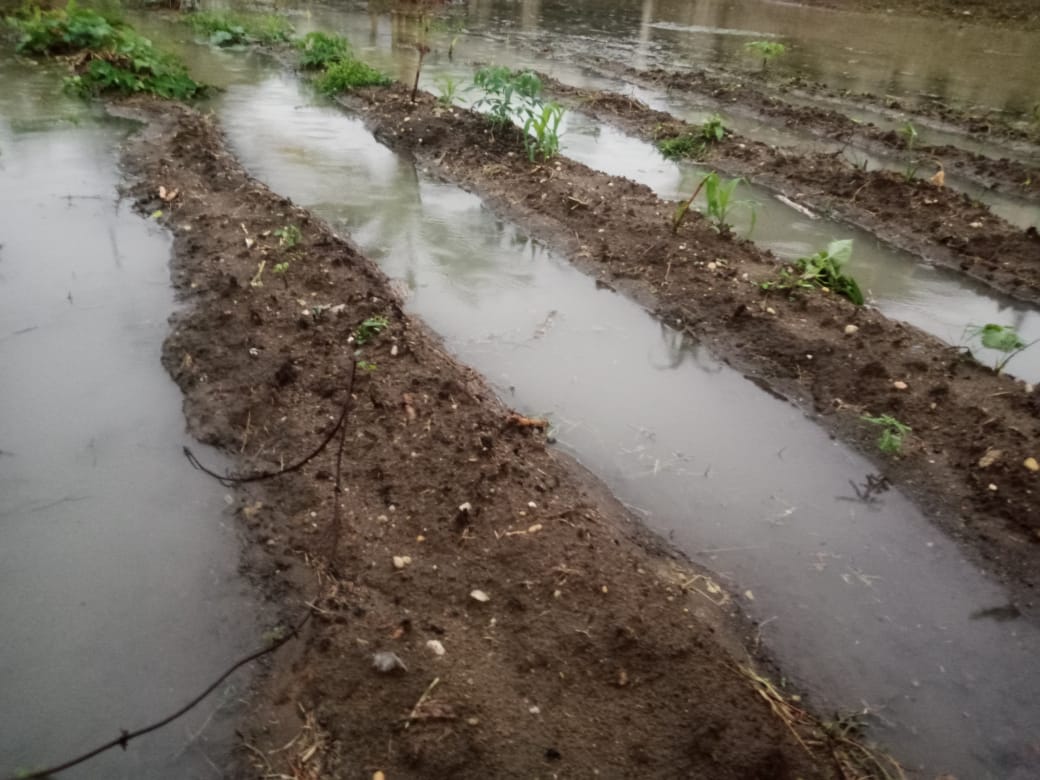
Nigeria could draw important lessons from a drought-hit farming region in western Kenya, where harvests reportedly fell by 35 per cent after prolonged dry spells and changing rainfall patterns, renewing attention on technologies that help farmers respond to climate risks.
What does this mean for Nigerian farmers, and could tools such as satellite monitoring, artificial intelligence and sensor-based irrigation help reduce the damage caused by increasingly unreliable weather?
The warning came from the Eastern Africa Grain Council (EAGC), whose chief executive, Gerald Musila, said satellite-based assessments showed a 35 per cent decline in this year’s harvest in western Kenya. He spoke on October 28, 2026, during activities linked to the North Rift and Western Region Agribusiness Expo at Kibabii University. The council said it was working with the Food and Agriculture Organization and other partners to use satellite data, drone imagery and artificial intelligence to monitor weather patterns and assess drought impacts. Kenya News Agency reported the development.

The university also disclosed that it had developed an AI-based irrigation innovation using sensors to monitor soil moisture, trigger watering when levels fall below a set threshold and send alerts to farmers’ phones.
What does this mean for Nigeria?
The Kenyan experience is a reminder that climate risks can quickly become production and food-security problems when farmers depend heavily on rainfall and lack timely information. Nigeria’s different agroecological zones face different conditions, but farmers across the country also need better ways to anticipate dry spells, manage water and choose crops suited to local weather patterns.
Satellite information can help identify areas experiencing drought stress and provide a wider picture of changing vegetation and rainfall conditions. When combined with local observations, that information can support decisions by governments, researchers and agricultural organisations about where assistance or adaptation measures are most urgently needed.
At farm level, soil-moisture sensors can help farmers understand when crops need water instead of irrigating according to a fixed schedule. This may reduce water waste and energy costs, although the value depends on equipment prices, maintenance, power supply and access to water.
Why Nigerian farmers need practical climate information
Weather information is useful only when farmers can act on it. A forecast that warns of delayed rainfall should be accompanied by advice on planting windows, suitable seed varieties and soil moisture conservation. Similarly, information about dry conditions should be connected to practical options such as water harvesting, efficient irrigation and improved soil management.
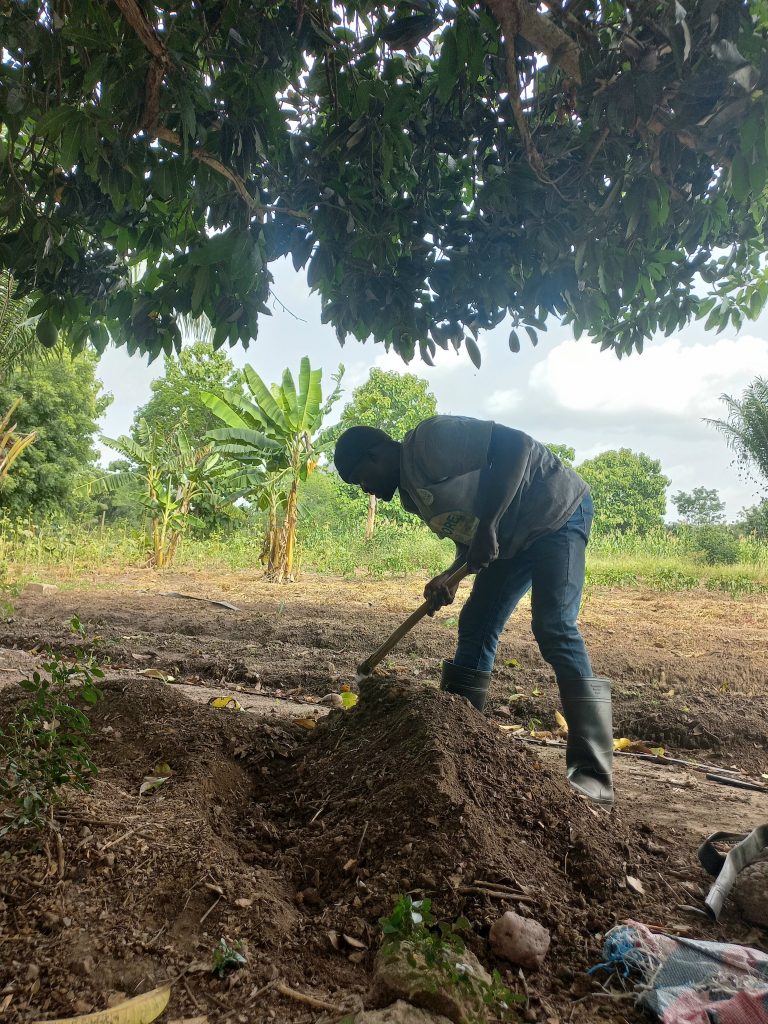
The Kenyan programme is also promoting drought-tolerant seeds, intercropping and improved soil preparation through demonstration plots. These practices are relevant to Nigeria, but they must be tested and adapted to local crops, soils and farming systems rather than copied without adjustment.
For smallholders, the cost of irrigation equipment and the difficulty of accessing credit can be major barriers. Public-private partnerships, farmer cooperatives and carefully designed financing arrangements may help, but interventions must avoid leaving farmers with equipment they cannot maintain or repay.
Technology cannot replace resilient farming systems
AI and satellite monitoring can improve the quality of information available to farmers and policymakers, but they cannot independently solve the problems caused by poor rural roads, limited storage, insecurity, expensive inputs or weak extension services.
Harbinger has previously examined the question of who pays for climate adaptation in Nigeria’s agricultural sector in its report on climate adaptation finance for Nigerian farmers. Access to finance remains central because many smallholders cannot invest in irrigation, improved seeds or new technologies without support.
Nigeria can also strengthen links between its meteorological services, agricultural research institutions, state extension systems and technology developers. Localised climate information should reach farmers in practical formats, while demonstration farms can show how water-saving and soil-management techniques perform under local conditions.
The reported harvest decline in western Kenya is not a forecast of what will happen in Nigeria. It is, however, a clear example of the cost of climate exposure. For Nigerian agriculture, the opportunity is to make climate information, resilient seeds and efficient water management part of everyday farm support before the next severe weather shock reaches the field.