



For some women in Kaduna State, small-scale vegetable farming is becoming more than a way to supplement household food. It is also a source of income and a route towards greater financial independence, although limited access to land and capital continues to hold back expansion.
A report by Premium Times published on October 25 followed women growing vegetables and other crops in rural communities, including Asabe Daniel, a farmer in Wusasa village, Zaria Local Government Area.
Daniel turned to farming after losing her job with the Soba Local Government three years earlier. She cultivates soybeans and tomatoes on a small plot and also makes masa, a rice-based food commonly eaten in parts of northern Nigeria, to support herself.

Small farms, bigger ambitions
Daniel told the newspaper that she learnt the basics of farming from her father but had to improve her knowledge after deciding to rely on agriculture for financial independence. She obtains tomato seeds through informal arrangements with neighbours and raises them before transplanting.
She said tomato farming had become useful because it provides food for her household as well as produce she can sell. Her ambition is to expand the farm and eventually process tomatoes into packaged products.
That ambition, however, requires money for seeds, fertiliser and other inputs, as well as access to more land. Daniel pays to use the small piece of land she currently cultivates, making land access and the cost of expansion major concerns.
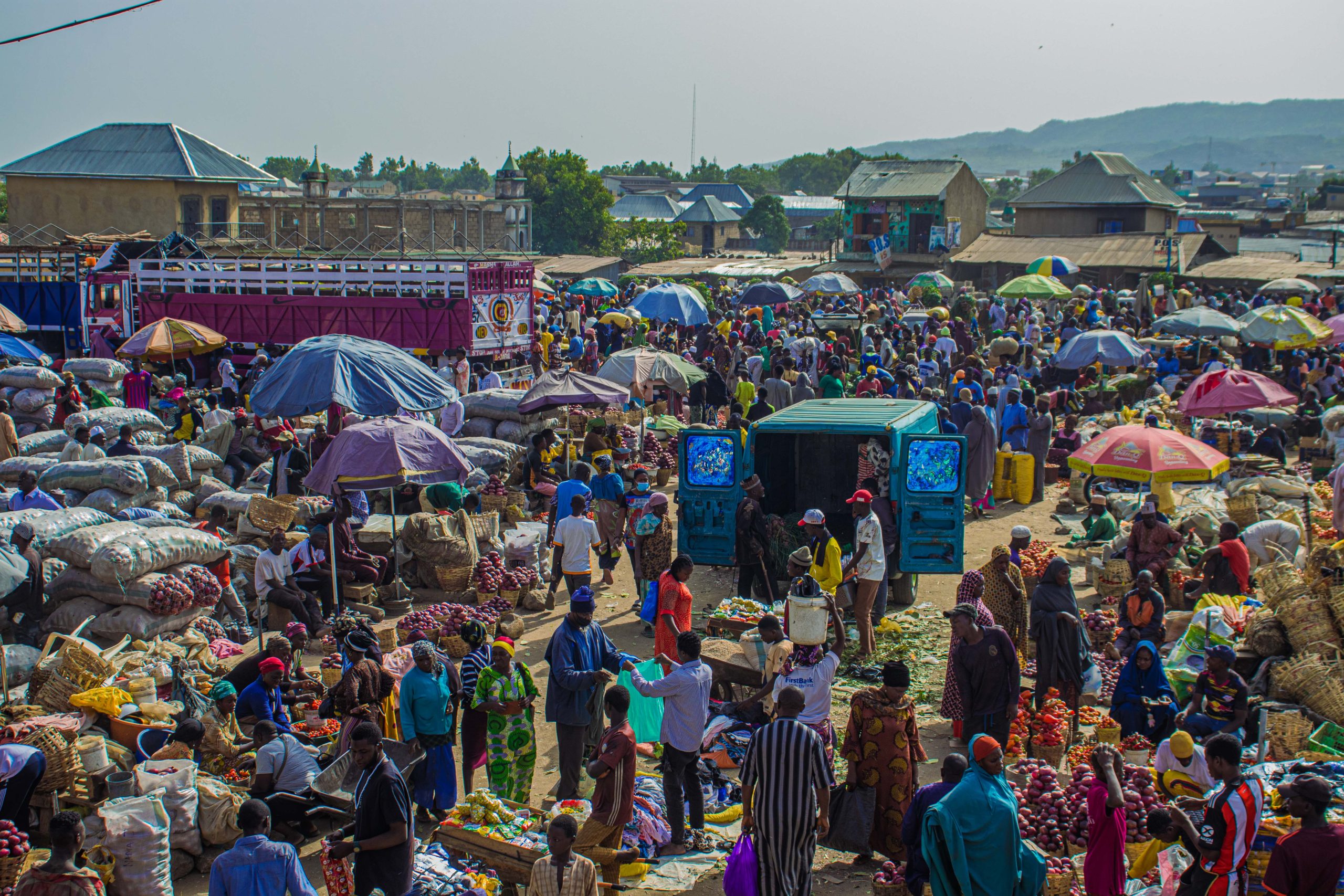
Access to land and finance remains a hurdle
Daniel’s experience reflects wider difficulties reported by women farmers in the state. Access to land, affordable finance, improved inputs and modern technology can determine whether a small farm remains a household survival activity or grows into a viable business.
Women who rent land or cultivate small plots may find it difficult to secure loans, particularly when they cannot offer conventional collateral. Limited capital can also prevent them from buying inputs in bulk, investing in irrigation, storing produce or processing crops before they spoil.
The obstacles matter because vegetable farming can provide regular income, but fresh produce is vulnerable to losses when farmers lack storage, transport and dependable buyers. Processing can create additional value, yet it requires equipment, skills, finance and access to markets.
Support must reach women at farm level
The Federal Government and Bank of Agriculture have announced a programme intended to improve women’s access to finance, equipment and markets. The Renewed Hope Women Agro-Value Expansion initiative is expected to reach millions of women over several years, although its promises will need to translate into accessible support for small-scale producers.
For women such as Daniel, the value of such interventions will be measured by whether they can obtain affordable loans, secure land, access improved inputs and find buyers willing to pay fair prices. Training and equipment will also need to match the realities of the crops and businesses women are already running.
Her story illustrates both the contribution women make to local food supply and the limits they face when trying to turn small farms into sustainable enterprises. Helping women overcome those limits could strengthen household livelihoods while expanding the supply of food in local markets.