


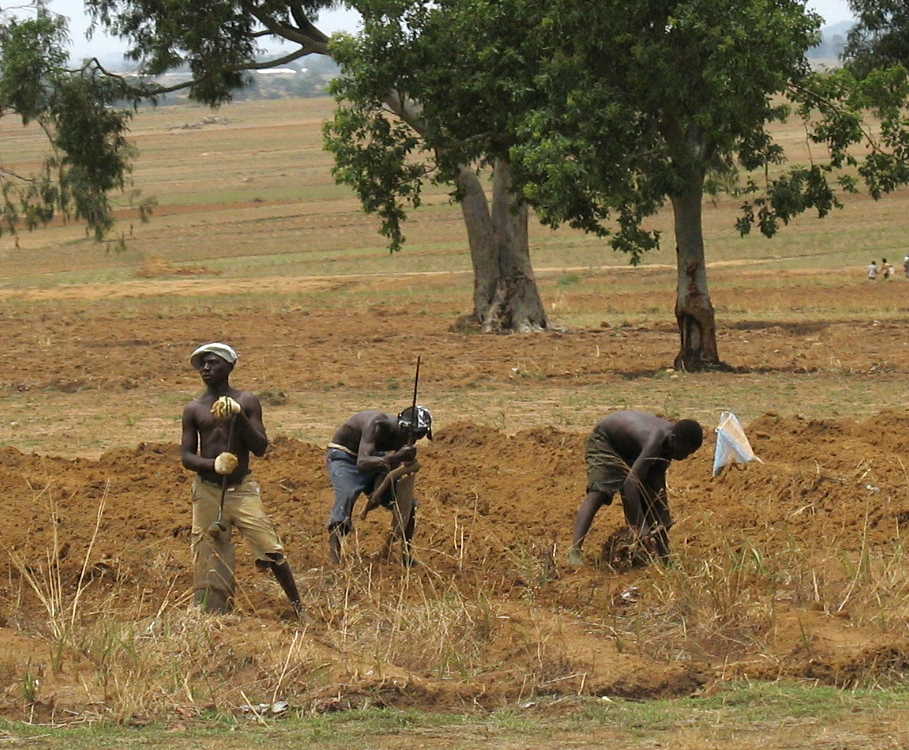

Nigeria is losing an estimated $2.3 billion annually because women farmers do not have the same access as men to productive resources, according to figures attributed to the Food and Agriculture Organisation of the United Nations (FAO).
The estimate, equivalent to about two per cent of Nigeria’s gross domestic product, highlights the economic cost of inequalities that continue to affect women across farming, processing and other parts of the country’s agrifood system.
The figure was reported by The Guardian on September 16, following remarks by FAO officials at an event in Abuja marking the International Year of the Woman Farmer 2026.

The barriers behind the losses
FAO’s estimate points to a productivity gap linked not to women’s ability to farm, but to unequal access to resources and opportunities. Women often struggle to obtain land, affordable credit, improved technologies, extension services and positions in agricultural decision-making.
FAO Representative in Nigeria and ECOWAS, Hussein Gadain, represented at the event by Senior Programme Officer Jimmy Owani, said women contribute an estimated 37 per cent of labour in crop production but remain constrained by limited access to productive resources and leadership opportunities.
When a woman cannot secure land or obtain a loan to buy improved seeds, fertiliser or equipment, the consequences go beyond the size of her harvest. It can limit her ability to expand production, employ workers, process crops, negotiate with buyers and build a business that can withstand rising costs.
Women’s work extends beyond the farm
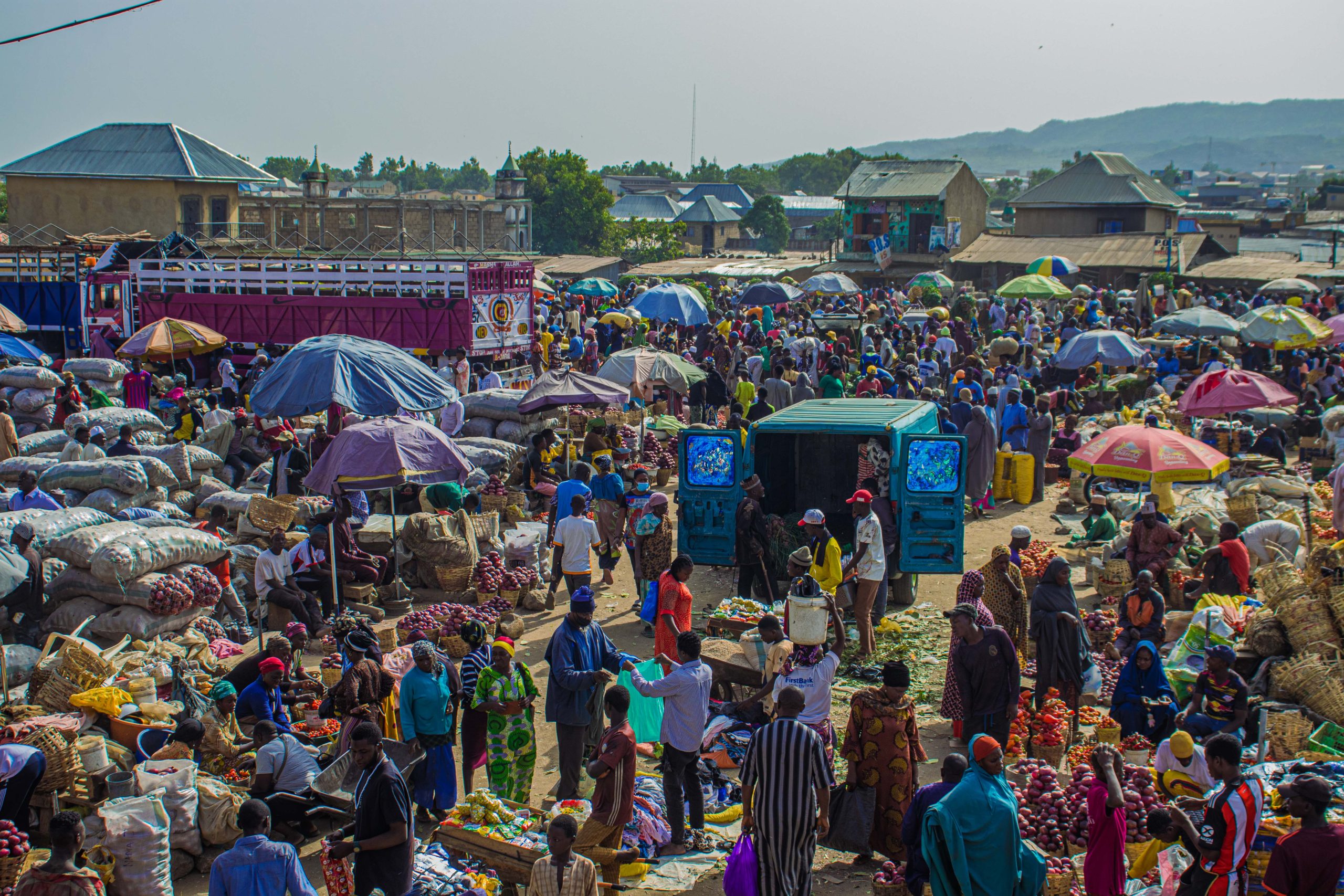
The challenges are not limited to access to farmland. Women in rural communities often combine agricultural work with unpaid responsibilities such as fetching water and firewood, preparing meals and caring for family members. These demands can reduce the time available for farm work, training and business development.
At the Abuja event, UN Women Country Representative to Nigeria and ECOWAS, Beatrice Eyong, warned that adding agricultural responsibilities without addressing women’s existing workload could deepen the pressure on them. She also raised concerns that competition for fertile land could further disadvantage women when resources become scarce.
The United Nations has said its supported projects in Nigeria had reached more than 100,000 women, with about $47 million invested in programmes targeting women as between 48 and 50 per cent of beneficiaries, according to the report.
Closing the gap requires practical support
Closing the productivity gap requires more than counting women as programme beneficiaries. It means ensuring that women can own or securely use land, obtain loans on workable terms, access machinery and irrigation, receive agricultural advice and sell produce in markets where they have bargaining power.
Recent government plans, including the Federal Government’s partnership with the Bank of Agriculture to expand finance and market access for women farmers, could help address some of these constraints. However, the impact will depend on transparent implementation and whether smallholder women can actually access the support.
Nigeria’s agricultural productivity debate is often framed around fertiliser, mechanisation and increased output. The FAO estimate shows that equal access to productive resources is also an economic issue: excluding women from opportunities carries a measurable cost for the country’s food system and wider economy.