


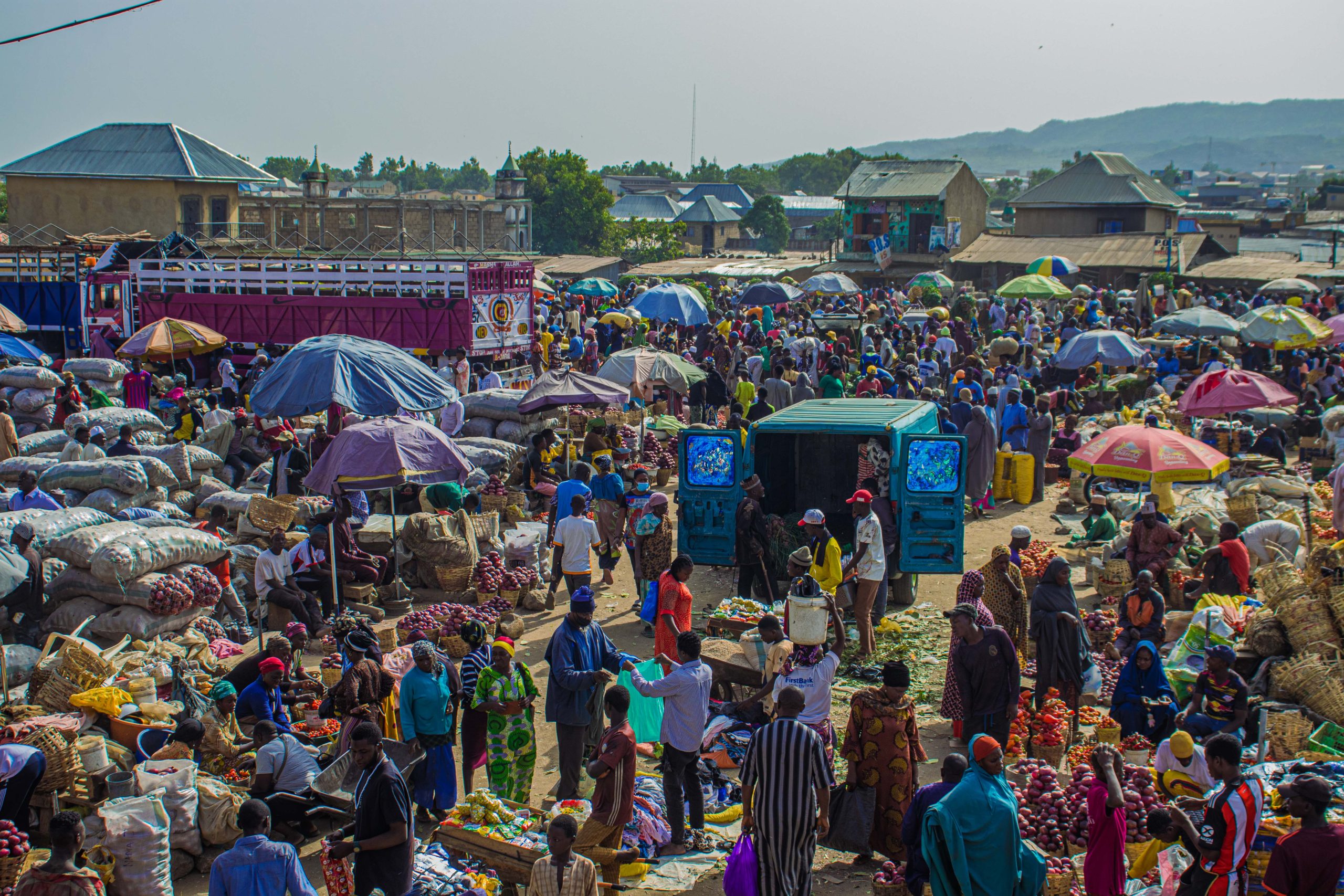
Nigeria’s latest call for states to align agricultural production with consumer and industrial demand addresses a real problem, but it also raises a harder question: can better production planning fix a food system in which farmers often do not know who will buy their harvest, processors struggle to secure steady supplies and consumers continue to face high prices?
At the 48th meeting of the National Council on Agriculture and Food Security in Enugu on November 5, Agriculture Minister Abubakar Kyari urged states to match what farmers produce with the needs of households, processors and industries. The Federal Ministry of Information’s account of the meeting said the government was concerned about the pattern in which consumers struggle when prices rise, while farmers can lose money when prices fall after harvest.
The policy direction is sensible. But production targets alone will not create functioning markets. Nigeria’s agricultural challenge is also about the quality of market information, the cost of moving food, access to storage, the reliability of processing capacity and whether farmers can negotiate with buyers from a position of knowledge.

A production gap is also a market-information gap
The scale of Nigeria’s rice sector illustrates the difficulty of planning around demand. At the launch of a Northwest Nigeria Rice Diagnostic Report on November 5, the Nigeria Governors’ Forum said the country consumes about 8.6 million metric tonnes of rice annually while domestic production stands at approximately 3.3 million tonnes. The Voice of Nigeria report also identified fragmented farmer and miller records, inconsistent production estimates and incomplete market information as obstacles to effective planning.
Those weaknesses matter beyond rice. If governments do not have dependable information about planted areas, expected harvests, local consumption and processors’ requirements, they cannot reliably identify where a surplus or shortage is likely to emerge. Farmers, meanwhile, may make planting decisions based on last season’s prices or advice from traders rather than a clear picture of demand.
Better data could help states identify suitable crops and connect producers with buyers before harvest. But data collection has value only when it reaches farmers in a form they can use. A production forecast sitting in a ministry report will not help a smallholder decide what to plant, when to sell or whether a nearby processor is actually buying.
Who carries the risk when markets fail?
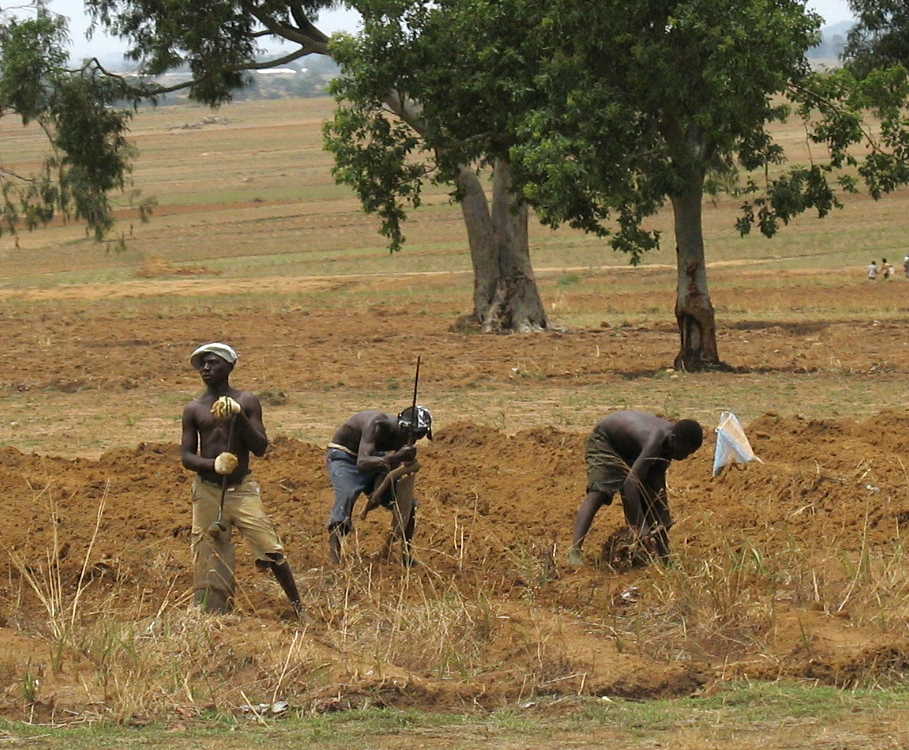
When harvests arrive at the same time and storage is inadequate, farmers with little bargaining power may be forced to sell quickly, even when prices are poor. Those with no access to affordable transport cannot easily reach more distant markets. A fall in farmgate prices does not necessarily mean that food becomes affordable everywhere: distribution costs, market concentration, poor roads and handling losses can keep retail prices high.
This is why the problem cannot be reduced to producing the right quantity. The country needs stronger links between farms, aggregators, warehouses, processors and retailers. It also needs transparent market information and enforceable arrangements that give farmers confidence that announced buyers or offtake schemes will actually take delivery.
The Federal Government said at the Enugu meeting that ₦16.27 billion had been disbursed to 115,000 beneficiaries in 25 states and the Federal Capital Territory, according to Vanguard’s report. Such support may ease immediate constraints, but the more important test is whether it improves productivity, market access and farm incomes after the intervention ends.
The test is what states do before the next planting season
States will need more than another round of crop targets. They need current production and consumption data, functioning extension services, accessible storage, rural roads, irrigation where viable and clear links to processors. They must also make sure that smaller farmers, not only large commercial producers, can access the information and infrastructure being planned.
The Federal Government’s wider agricultural policy agenda already recognises value-chain development and agro-industrialisation as priorities. In its November 2 statement opening the same council meeting, the ministry stressed the need to connect producers with processors and markets. The challenge is to translate that commitment into measurable improvements at state and local levels.
Nigeria does not simply need farmers to produce according to a government plan. It needs a market system that tells farmers what buyers need, gives them a fair chance to reach those buyers and prevents avoidable losses between harvest and consumption. Until those links work, calls to align production with demand will remain an ambition rather than a reliable solution to the country’s food-price and farm-income problems.