


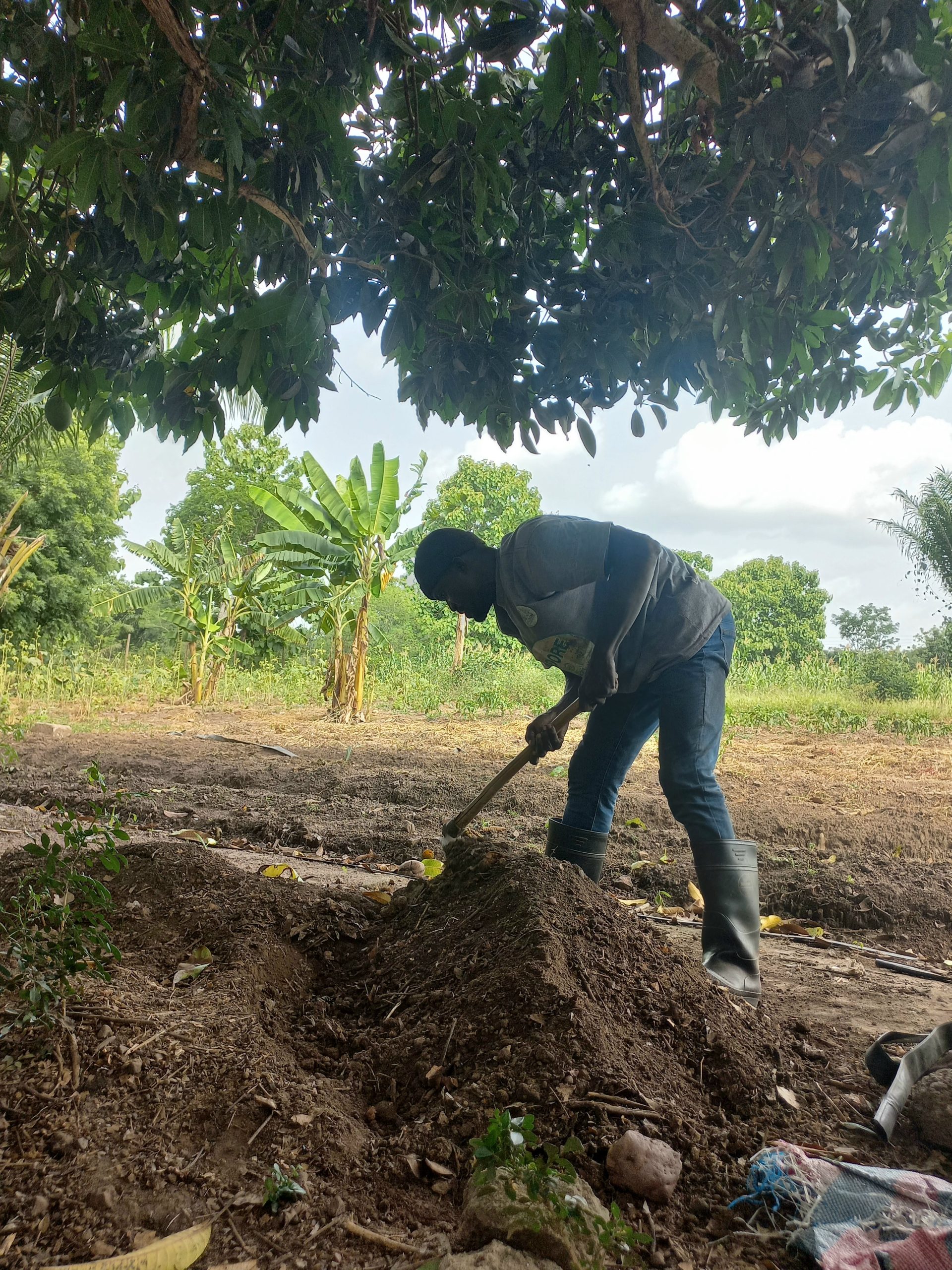
For Nigerian farmers facing high fertiliser prices, applying more nutrients is not necessarily the answer to poor yields. In some fields, crops may need less of a particular nutrient; in others, the soil may be so deficient that a standard fertiliser recommendation is inadequate. The difference makes soil testing an agricultural productivity issue as much as a cost-saving measure.
Findings presented at the 2026 Nigeria Fertiliser Summit on Phosphorus and Food Security in Abuja on November 4 showed that phosphorus requirements for maize and rice in northern Nigeria ranged from zero to more than 60 kilogrammes of phosphorus pentoxide per hectare, depending on soil conditions. Vanguard’s report on the summit said experts called for fertiliser recommendations based on soil tests and crop needs rather than uniform application rates.
The finding challenges a familiar approach to farm support: treating fertiliser distribution as the main measure of assistance. Getting bags of fertiliser to farmers is important, but it does not guarantee that the product, nutrient balance or quantity is suitable for the land on which it is used.

Why one recommendation cannot fit every field
Soils differ in their nutrient content, acidity, texture and ability to make nutrients available to crops. The same fertiliser rate can therefore produce different results across farms, even when farmers grow the same crop. Applying too little of a needed nutrient can limit growth; applying more than the soil and crop require can waste scarce money and may create other soil-management problems.
Phosphorus is essential for root development and crop growth, but the amount required depends on what is already present and available in the soil. The wide range reported at the summit suggests that farmers in different locations may need substantially different advice. It does not mean that every farmer should stop using phosphorus fertiliser; it means that recommendations should be based on field conditions rather than assumptions.
For a smallholder working with a limited budget, the cost of an unsuitable input can affect other decisions, including whether to buy improved seed, pay for labour or protect crops from pests. Better nutrient advice could help farmers direct spending towards the inputs most likely to address the constraints on their own farms.
The missing link is access to soil services
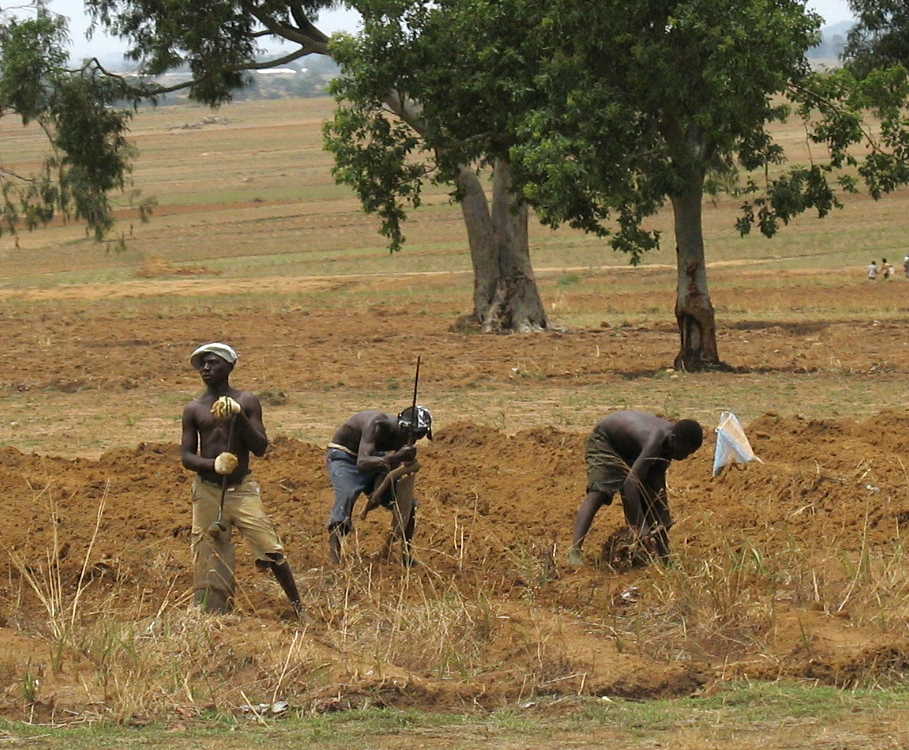
The experts’ call raises a practical question: who will test the soil of millions of small farms, explain the results and help farmers act on them? Soil laboratories and research expertise are not enough if services are concentrated in cities or are too expensive for farmers to use before every planting season.
At the summit, soil scientist Prof. Vincent Aduramigba-Modupe argued for applying the right nutrient in the right quantity under the right conditions. Prof. Jibrin Mohammed Jibrin also stressed the need for coordination among institutions working on soil health. Their recommendations point to a system that must connect research, public extension services, input suppliers and farmers.
The Federal Government has also identified soil information as part of its agricultural agenda. In an October 16 statement on food security, the Ministry of Agriculture said soil mapping had commenced under the National Soil Health and Fertility Programme. Mapping can provide a foundation, but farmers will still need local testing, understandable recommendations and access to the right products.
Fertiliser policy must be measured by results
Soil testing should not become another programme measured mainly by the number of kits distributed, laboratories opened or farmers registered. Useful measures would include how many farmers receive timely results, whether recommendations are followed, whether input spending becomes more efficient and whether yields or farm incomes improve over several seasons.
There are also limits to what soil testing can achieve. It cannot by itself solve high fertiliser prices, poor seed quality, insecurity, inadequate irrigation or weak access to markets. Farmers need a package of support that connects soil advice with affordable inputs, extension services and the conditions required to grow and sell crops profitably.
The summit has put an important issue on the table: Nigerian agriculture does not only need more fertiliser; it needs more precise decisions about what each farm requires. The real test will be whether soil science moves beyond conferences and national programmes to become a service that ordinary farmers can afford and use.