


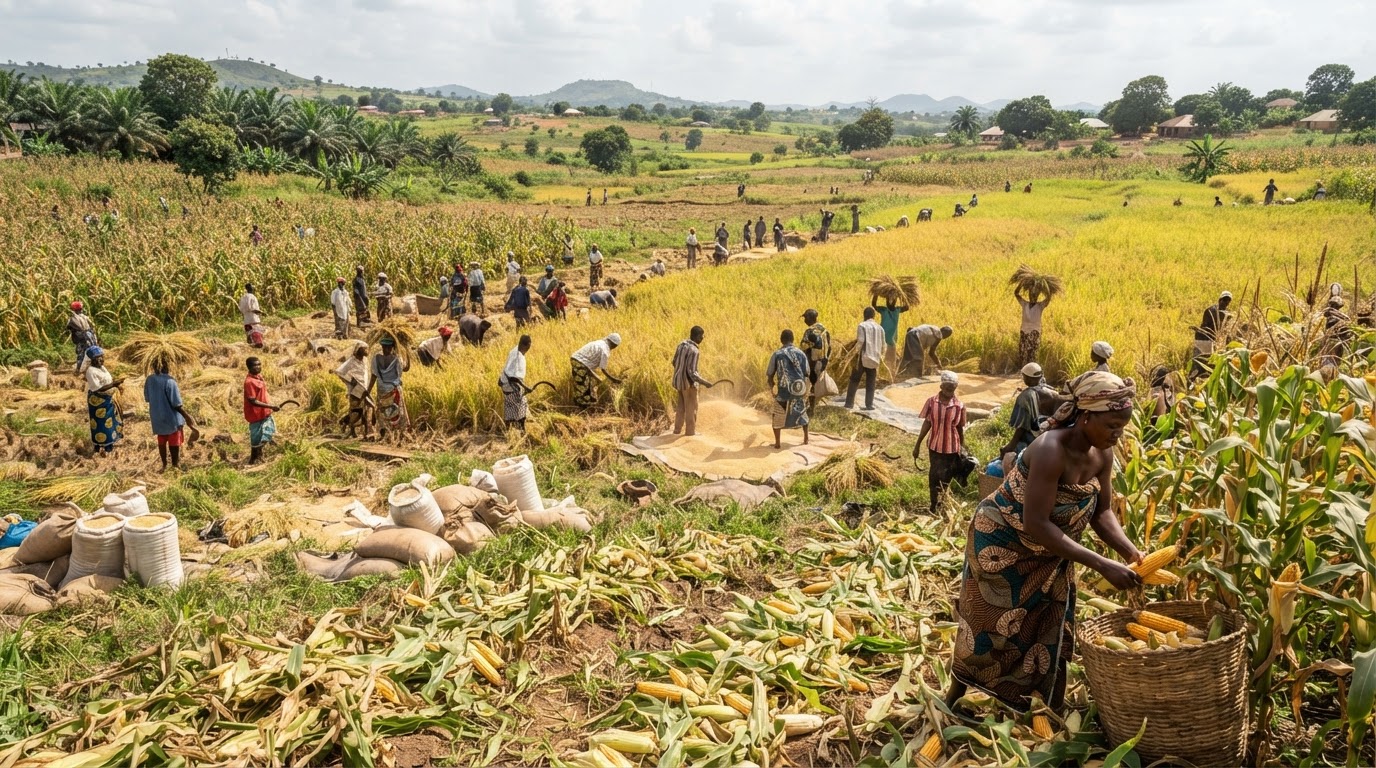
Nigeria’s cereal harvest is projected to rise in 2026, but the increase may not be enough to close the country’s food gap. The latest Wet Season Agricultural Performance Survey puts cereal output at 29.39 million tonnes, an increase of 1.84 per cent. That is a positive movement, but it also exposes a difficult question: can production grow quickly enough to serve a population expanding at a faster pace?
The survey presented by the National Agricultural Extension and Research Liaison Services (NAERLS) to the Federal Government projects gains in 13 of 17 major crops assessed. Maize and rice are expected to drive much of the cereal increase. Yet the same assessment identifies flooding, crop pests and shortages of extension agents as threats that could weaken the gains.
For households, the difference between a larger harvest and affordable food is significant. More grain in the national production estimate does not automatically mean lower prices in every market. Produce must be harvested, stored, transported and sold at costs consumers and processors can bear.

A narrow production gain
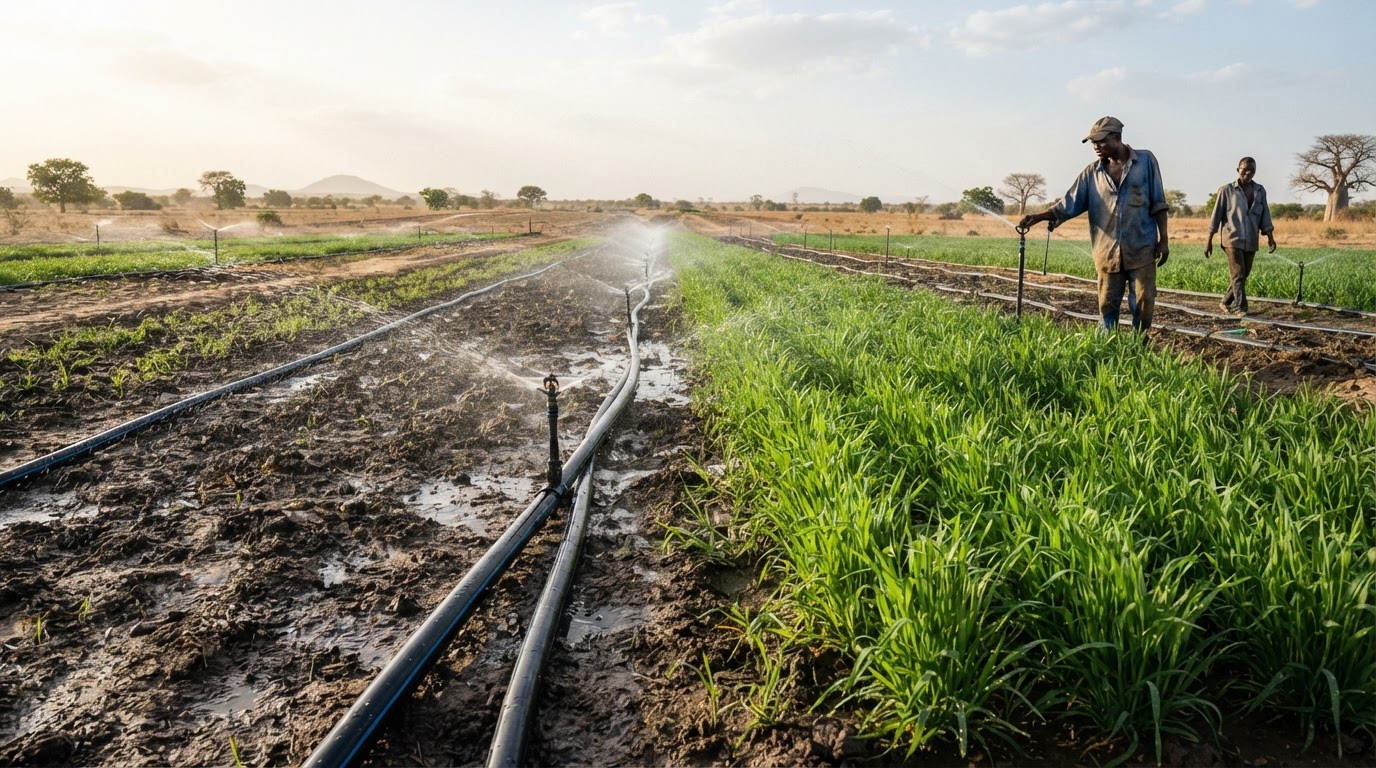
The 1.84 per cent projected increase is modest when set against the scale of Nigeria’s food demand. The Ministry of Agriculture has itself acknowledged that output growth remains insufficient relative to population growth, estimated at about 2.01 per cent annually. That comparison does not mean every Nigerian will face a shortage, but it shows why a positive harvest report should not be mistaken for food security achieved.
Production totals also hide differences between crops and regions. The NAERLS assessment identifies Niger as the leading rice-producing state, Kano for sorghum and Yobe for millet. These state-level strengths matter because national supply depends on local conditions, roads, storage and the ability to move crops from surplus areas to deficit markets.
Risks remain on the farm
Seven states reported severe flooding during the survey period, while other production areas faced moderate flooding, erratic rainfall and dry spells. Crop pests and diseases were also recorded, including fall armyworm, Tuta absoluta, cassava mosaic disease and stem borer infections. These pressures can reduce yields even where farmers have cultivated more land.
The survey’s findings are a reminder that acreage is only one part of productivity. Farmers need reliable seed, appropriate soil nutrients, timely advice and the means to respond when weather or pest conditions change. Without those services, the country can expand cultivated land and still fail to obtain the expected harvest.
Harvest gains need a market
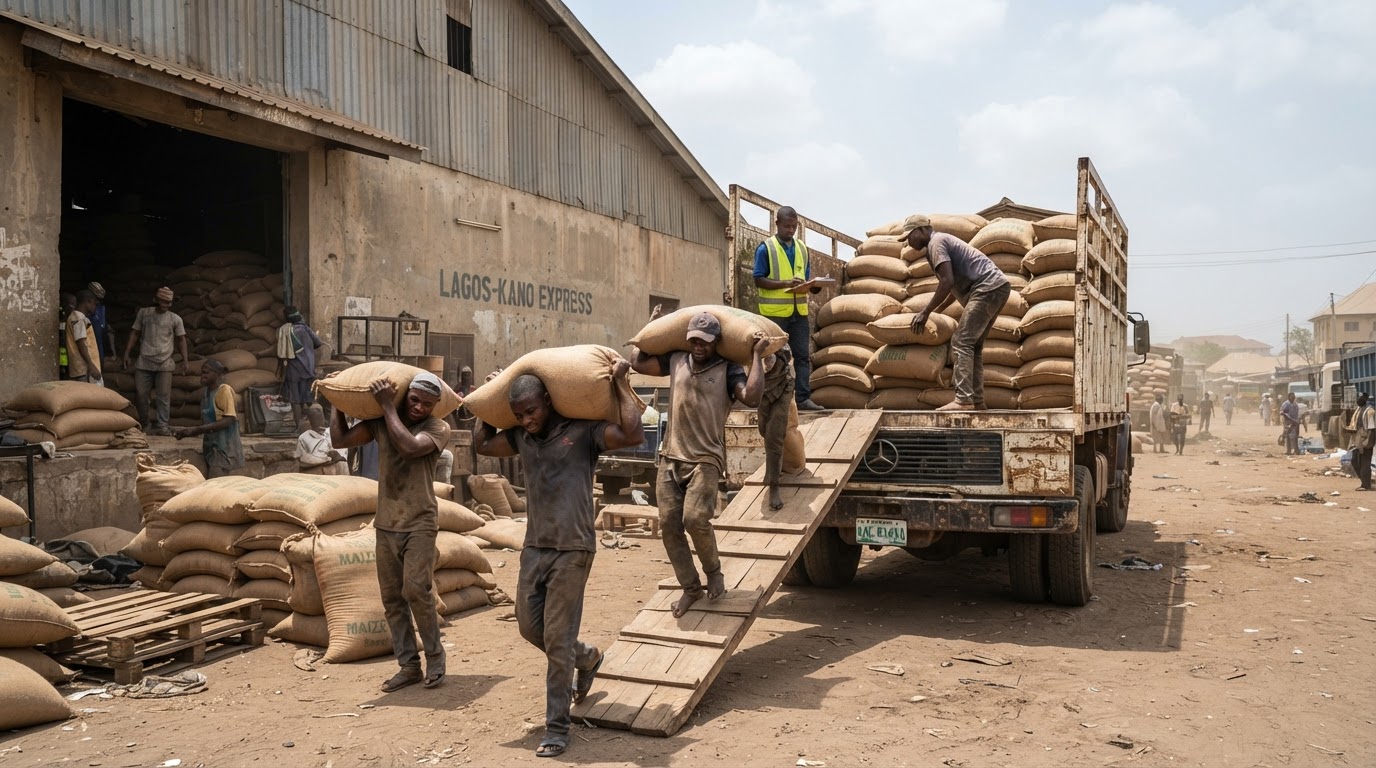
Post-harvest handling is another part of the equation. NAERLS recommended stronger storage facilities, improved handling and better market access so that additional production does not disappear through avoidable losses. This is particularly important for smallholders who may sell immediately after harvest because they lack storage or working capital.
When many farmers sell at the same time, prices at farm gates can fall even as consumers continue to pay high prices in distant urban markets. Weak aggregation, poor roads, high transport costs and layers of intermediaries can prevent a local surplus from translating into affordable food.
Government grain releases and input programmes may provide short-term support, but they cannot substitute for an efficient market system. The impact of any intervention will depend on transparent distribution, timing and whether supplies reach areas where demand is greatest.
Measure what reaches households
The next test for agricultural policy should go beyond headline production estimates. Authorities need to track crop losses, farm-gate prices, wholesale prices, transport costs and the availability of food in vulnerable communities. They should also publish clear state-level information that allows farmers, processors and consumers to understand where supply is improving and where risks are growing.
Nigeria’s projected cereal increase is welcome, but the 2026 figures do not justify complacency. If population growth continues to outpace production gains, and if flooding, pests and distribution bottlenecks remain unresolved, the country may record a better harvest without delivering a proportionate improvement in food access. The real measure of success is not only how much grain is harvested, but whether it reaches people at prices they can afford.
Sources: NAERLS/ABU survey findings; Federal Ministry of Agriculture’s intervention announcement.