


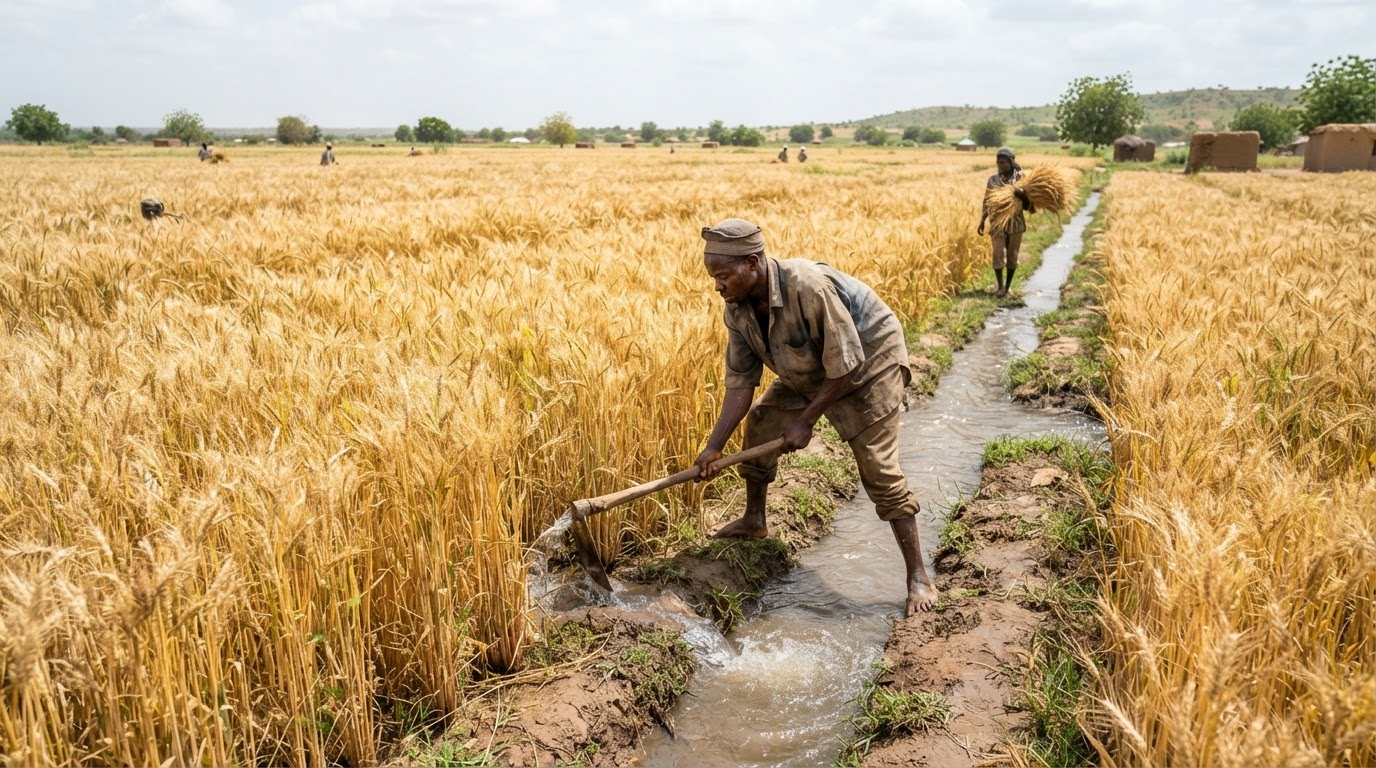
A ₦200 billion dry-season farming programme targeting 400,000 farmers is an ambitious attempt to expand production while giving agricultural credit a more practical route to the field. But its success will depend on whether farmers can access the financing without being pushed into risks they cannot control, and whether the crop they produce has a dependable market when harvest arrives.
The Bank of Agriculture announced the financing as part of its 2026/2027 dry-season programme, in partnership with Flour Mills of Nigeria Agro, with a focus on wheat production and reducing dependence on imports. The programme is expected to support farmers with seeds, fertiliser, agrochemicals, finance and extension services across participating states.
Credit and inputs
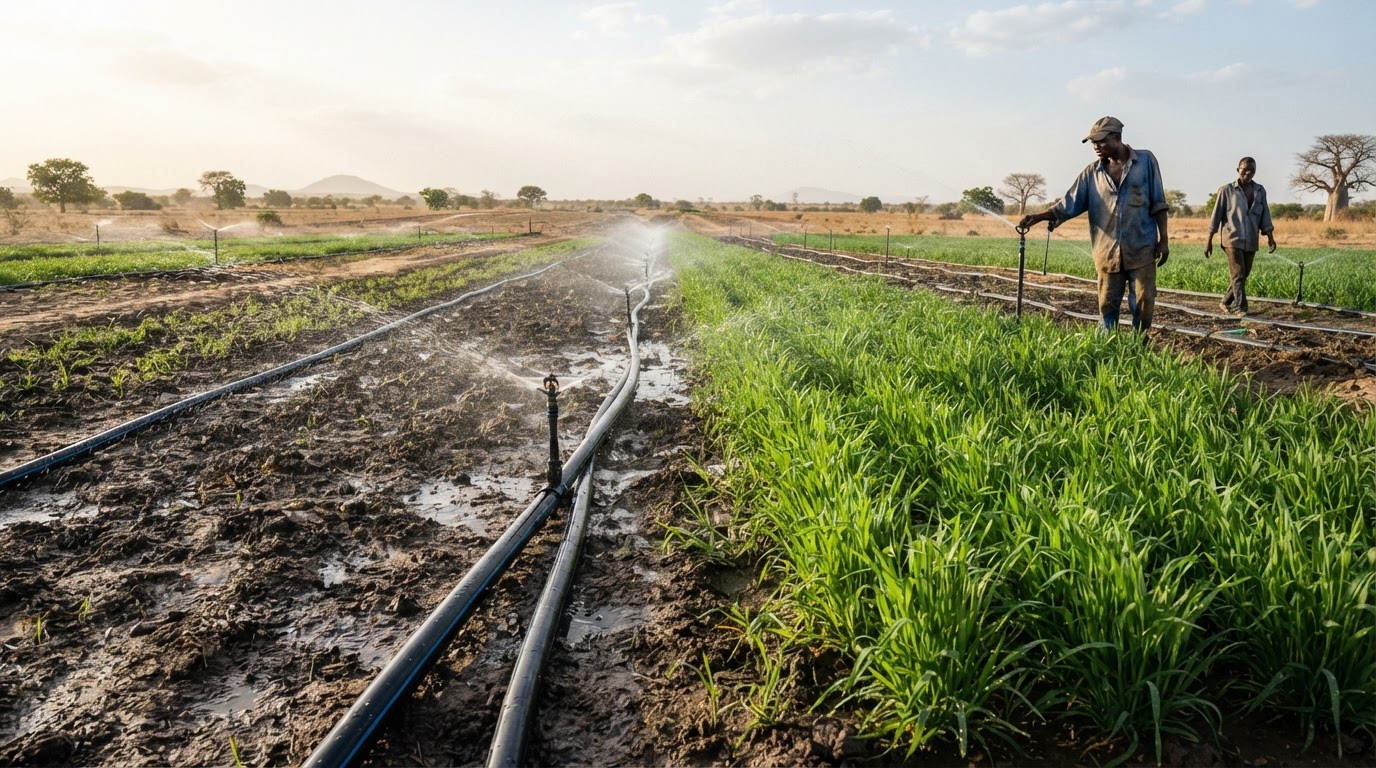
The programme’s model is notable because participating farmers are to receive inputs on credit and repay through harvested wheat at prevailing market prices, rather than simply receiving a cash loan. Input packages are intended to cover a hectare, with seed, fertiliser and crop-protection materials provided as part of the arrangement.

In principle, this can reduce the upfront financial barrier for farmers who cannot purchase all inputs at the beginning of the season. It also creates a link between financing and production, potentially helping farmers avoid diverting funds away from cultivation.
However, credit in agriculture carries risks that are different from lending in sectors with steady monthly income. Weather, pests, water availability, crop disease and market prices can all affect harvests. A farmer may follow the recommended practices and still produce less than expected. Repayment arrangements must recognise that agricultural outcomes are uncertain rather than assume that every season will be successful.
Yield expectations
Officials and programme partners have highlighted improvements in wheat yields under earlier phases of the initiative. The programme report describes rising yields among participating farmers and input support valued at hundreds of thousands of naira per hectare. Such results are encouraging, but they should be assessed alongside the conditions that enabled them.
Yield gains may depend on irrigation, the quality and timing of inputs, access to trained advisers, suitable land and farmers’ experience. Replicating results across new locations is not automatic. The programme should make clear which yields are averages, which are exceptional demonstrations and what costs farmers incurred to achieve them.
Farmers also need a clear understanding of the loan terms before they accept inputs. They should know how quantities are calculated, when repayment is due, how grain quality is assessed, what happens if yields are reduced by weather and whether they are free to sell to another buyer when repayment is made.
Local wheat, fewer imports
Wheat is an important ingredient in bread, pasta, noodles and other processed foods widely consumed in Nigeria. Increasing local production could help reduce exposure to international price movements and foreign-exchange pressure, but domestic wheat must be competitive in quality, price and consistency to replace imports on a meaningful scale.
Expanding production is only one part of the challenge. Processors require grain that meets specific standards, delivered at the right time and in quantities they can plan around. Farmers need buyers and prices that justify the cost of cultivation. The programme’s partnership with an agro-industrial player could help align production with demand, but the terms of that relationship should be transparent to farmers.
Access matters
Targeting 400,000 farmers is a large promise, and the selection process will determine whether the intervention reaches the intended beneficiaries. Aggregation partners may help identify farmers and organise input distribution, but safeguards are needed to prevent exclusion or favouritism and to ensure that smaller producers can participate.
Public reporting should identify participating states, the number of farmers supported, the value of inputs delivered, repayment performance and the production achieved. These indicators would make it possible to judge whether the financing is expanding productive capacity or simply circulating through an intermediary structure.
Manage the risk
Loans can help farmers invest in production, but agricultural credit is sustainable only when the terms reflect the realities of farming. Repayment in grain may reduce cash pressure, yet farmers still need to understand how grain is graded, valued and accepted. A fair system must protect both the lender and the farmer from disputes over quality and quantity.
The ₦200 billion programme could strengthen dry-season agriculture if it combines finance with water access, input delivery, extension support and market commitments. Its most important outcome will not be the amount disbursed, but the number of farmers who finish the season with improved production and enough income to repay their obligations without sacrificing the next planting cycle.