


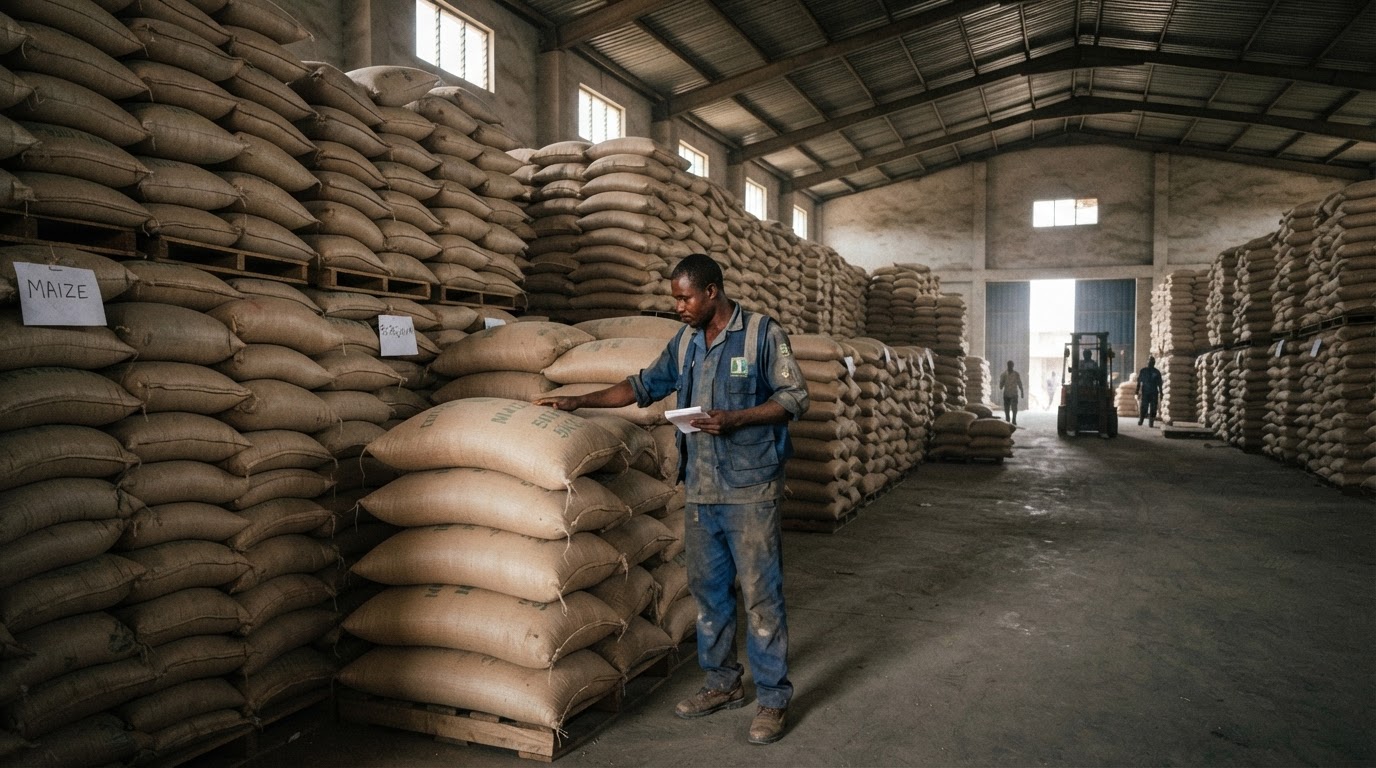
The Federal Government’s plan to release grains stored under the Bank of Agriculture’s Guaranteed Minimum Price programme is an attempt to address food price pressure through increased supply. The idea is straightforward: make grain available when prices rise, help stabilise the market and prevent sharp increases from placing additional strain on households.
The announcement came on November 18, when Agriculture Minister Abubakar Kyari said stored commodities would soon be released and that distribution details would be made public. The government has not yet specified the quantity of grains to be released or the exact timetable, making the implementation details central to assessing the plan.
Reserves as a buffer
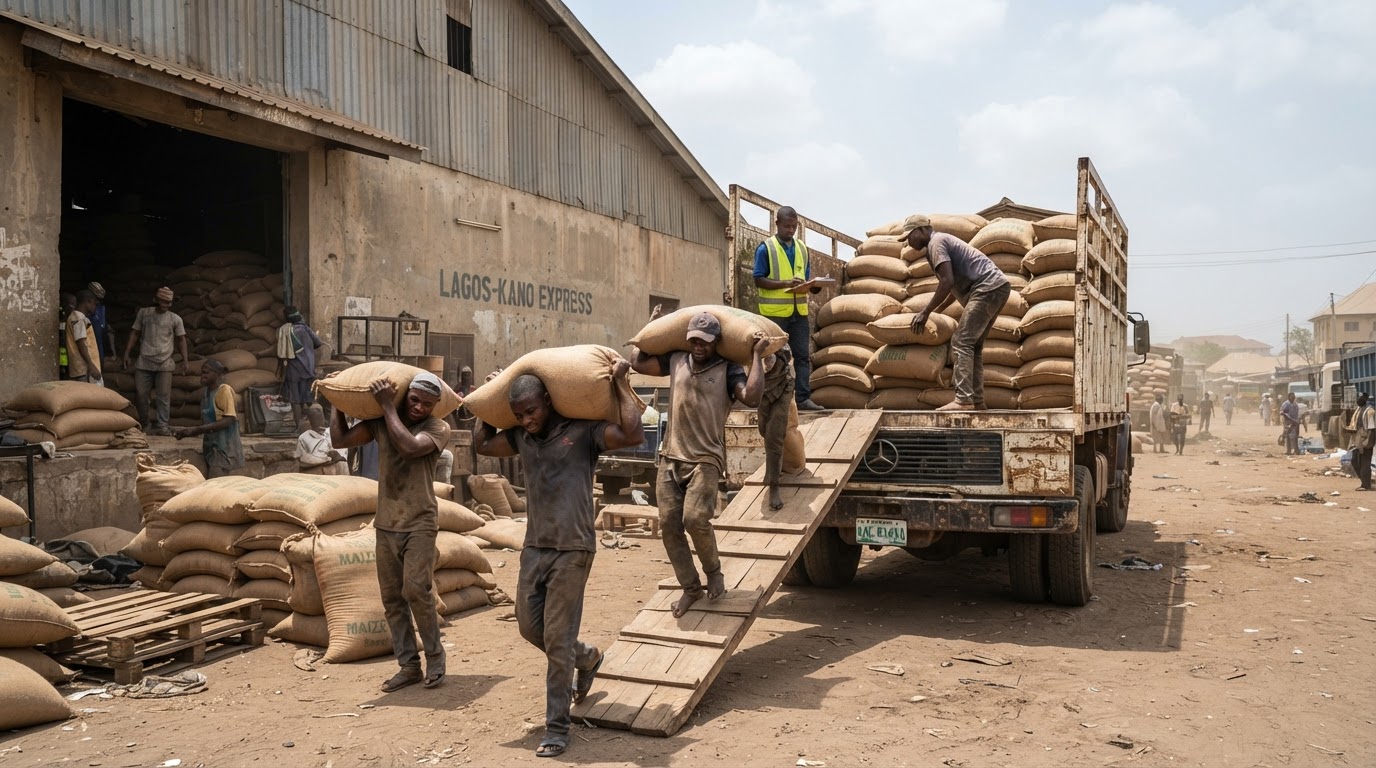
Food reserves can serve several purposes. They can provide a buffer during supply disruptions, support emergency food assistance and give authorities a way to respond when market prices rise sharply. A release can add supply to markets and potentially ease pressure on consumers, particularly if it reaches areas facing shortages.

But the effect depends on when the grain is released, how much is made available, where it is distributed and whether the supply reaches retail markets. A small or delayed release may have little effect on prices. A poorly targeted release may benefit intermediaries without changing what households pay.
Markets are also influenced by transport costs, insecurity, storage, processing, demand and regional supply differences. Grain released in one location may not significantly affect prices in another if movement is expensive or disrupted. A national intervention needs a distribution strategy that reflects these realities rather than assuming supply will move freely across the country.
Protecting both sides
There is a tension at the centre of food price intervention. Consumers need affordable food, while farmers need prices that cover production costs and provide an incentive to plant. If reserve releases are unpredictable or sold at prices that undercut local farmers during harvest, they could weaken the market for farmers’ produce.
The Guaranteed Minimum Price programme was designed to help farmers avoid distress sales when prices fall after harvest. Its reserve function is intended to allow grain to be stored and released later when supply conditions warrant. That dual purpose requires transparent rules so that the policy does not protect farmers at one point in the season and undermine them at another.
Government should explain the triggers for releasing stored grains, the quantities involved, the intended destinations, the price or terms of sale and how the programme will monitor the effect on both consumers and producers. Without these details, it will be difficult to know whether the reserve is being used to smooth market volatility or simply to make a short-term announcement.
Distribution matters
Stored grain must be inspected, maintained, transported and released through channels that can deliver it efficiently. Storage losses, quality problems and logistical expenses can reduce the value of an intervention. The public also needs confidence that grain will not be diverted or sold through opaque arrangements that leave the intended beneficiaries out.
Clear reporting can help. Government could publish stock levels before release, the quantity released by location, the selected distribution channels, prices and delivery dates. Independent monitoring and regular updates would allow farmers, traders and consumers to see how the programme is operating.
Price relief?
The ultimate measure is not how much grain leaves a warehouse, but whether it improves access to food at reasonable prices. Retail prices may respond differently from wholesale prices, especially where transport, milling, packaging and market margins account for a significant share of the final cost.
Officials should therefore monitor prices before and after releases in affected markets, compare them with markets not covered by the intervention and account for seasonal changes. Such evidence would help determine whether the release is actually influencing prices or whether other factors are dominating the market.
A bigger food system
Strategic reserves can help manage short-term shocks, but they cannot replace steady production, storage infrastructure, efficient transport, reliable markets and household purchasing power. Nigeria needs a system in which farmers can sell produce without damaging price collapses, consumers can access food, and public interventions are predictable and accountable.
The proposed release could provide relief if it is timely, transparent and well targeted. The government now needs to show how the plan will work. Publishing quantities, dates and distribution arrangements—and reporting the price effects—would turn a promise of market stabilisation into an intervention the public can evaluate.