


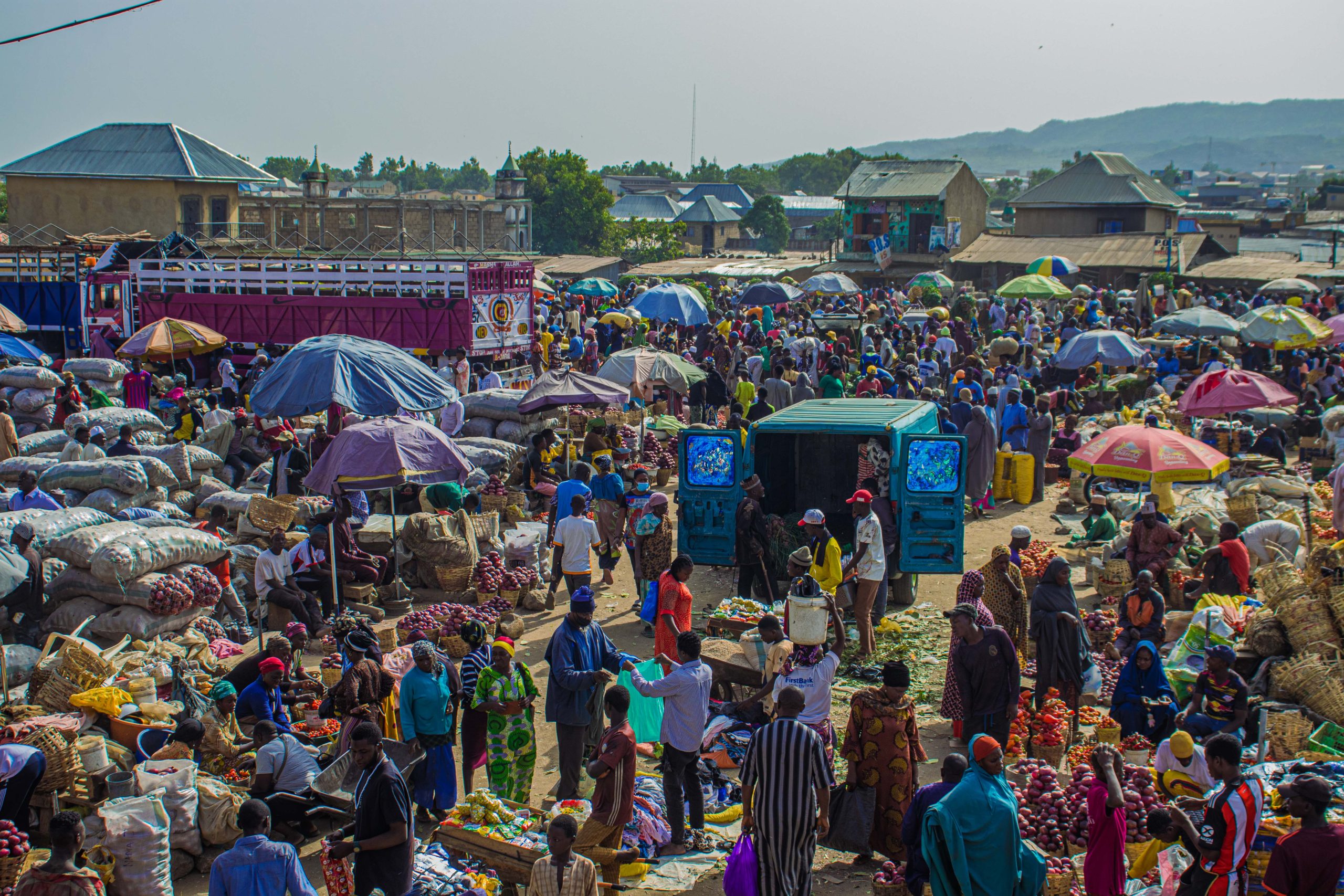
Nigeria’s food insecurity could affect more than 33.5 million people during the June-to-August 2027 lean season, according to the October 2026 Cadre Harmonisé assessment. The projection has renewed questions about whether the country’s agricultural policies are addressing the problems that keep food out of reach for millions of households.
The assessment, which covered 26 states and the Federal Capital Territory, estimated that 26.8 million people could face crisis-level food insecurity or worse between October and December 2026. The number is projected to rise to 33.5 million during the 2027 lean season, when many households depend more heavily on market purchases as food stocks run down. The figures were reported by BusinessDay’s coverage of the Cadre Harmonisé findings.
These are projections, not a count of people already experiencing hunger. They are nevertheless an early warning for governments, humanitarian agencies and agricultural stakeholders, particularly in communities already affected by conflict, displacement and high living costs.

Production is only part of it
Nigeria’s food debate often centres on how much farmers produce. Higher output is necessary, but it does not automatically mean that food will be affordable or that households can obtain it. A family may live close to a market full of grains and vegetables and still struggle to buy enough because its income has not kept pace with prices.
The Food and Agriculture Organization’s Nigeria country brief identified high input and fuel costs, dry spells and insecurity among the pressures affecting the 2026 cereal outlook. The brief reported that fertiliser prices rose between February and May 2026, with NPK increasing by 12 per cent and urea by 43 per cent.
Those increases matter because farmers must pay for land preparation, seeds, fertiliser, labour, harvesting and transport before they can earn from a crop. When production becomes more expensive, some farmers cut back on inputs or cultivate smaller areas. The costs can also travel through the supply chain, affecting the price consumers pay.
Insecurity keeps farms out of reach
In parts of northern and central Nigeria, insecurity has made farming more difficult by restricting access to land, disrupting movement and forcing families to leave their communities. Displacement can take farmers away from their farms, livestock and other sources of income. It can also reduce the supply reaching local markets.
The FEWS NET Nigeria food-security outlook documented how attacks, abductions and restrictions on cultivation were affecting farming communities in several states. Its assessment linked these disruptions to reduced household income and lower food availability in affected areas.
The implication is straightforward: distributing seeds and fertiliser cannot solve the problem where farmers cannot safely reach their fields. Agricultural support needs to be accompanied by protection for farming communities, functioning rural markets and access to transport routes.
What do the interventions deliver?
The Federal Government has announced programmes covering input support, mechanisation, irrigation and agricultural financing. Such interventions can help, but the existence of a programme is not proof that it has reached the farmers who need it or improved their harvests.
The questions that matter are practical. How many smallholder farmers received the inputs? Did the support arrive before planting? Were the quantities adequate? Could farmers access credit and extension advice? And did the assistance improve yields, income or the amount of food available locally?
Nigeria also needs to address what happens after harvest. Inadequate storage, weak processing capacity, poor roads and high transport costs can reduce the value of what farmers produce. Harbinger has previously examined this wider challenge in its report on why food remains expensive despite agricultural production.
The lean-season warning
The projected rise to 33.5 million people should be treated as a planning signal. Authorities and humanitarian partners have time to identify vulnerable communities, strengthen nutrition support and prepare targeted assistance before the lean season becomes more severe.
The scale of the projection also calls for clearer public reporting on agricultural interventions. Budget releases and programme launches are useful indicators of government activity, but the public needs evidence of delivery: farmers reached, inputs supplied, farms cultivated, harvests recorded and households whose access to food has improved.