


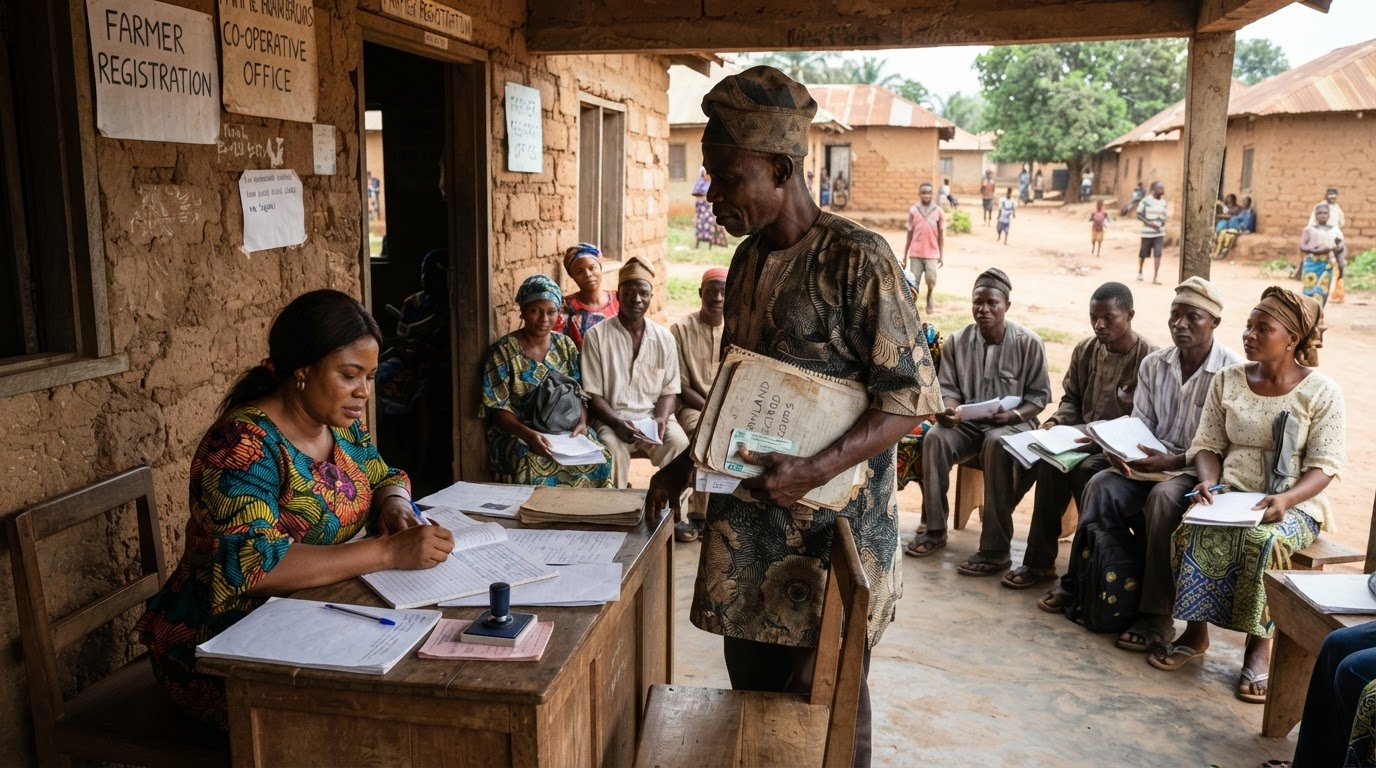
Jigawa State’s move to establish a common digital framework for farmer registration and market-oriented cooperatives reflects a growing belief that agricultural support works better when government knows who is farming, what they produce and where their farms are located. But building a database is only the beginning. The value of a farmer registry will depend on whether the information is accurate, regularly updated and used to improve services rather than simply create another administrative record.
Governor Umar Namadi signed two executive orders on November 18 establishing a Digital Farmer Registry framework and a Market-Oriented Cooperative Development framework. The state says the initiatives are intended to strengthen planning, transparency, access to support and commercially viable cooperatives, while meeting eligibility conditions for the World Bank-supported AGROW programme.
Why data matters
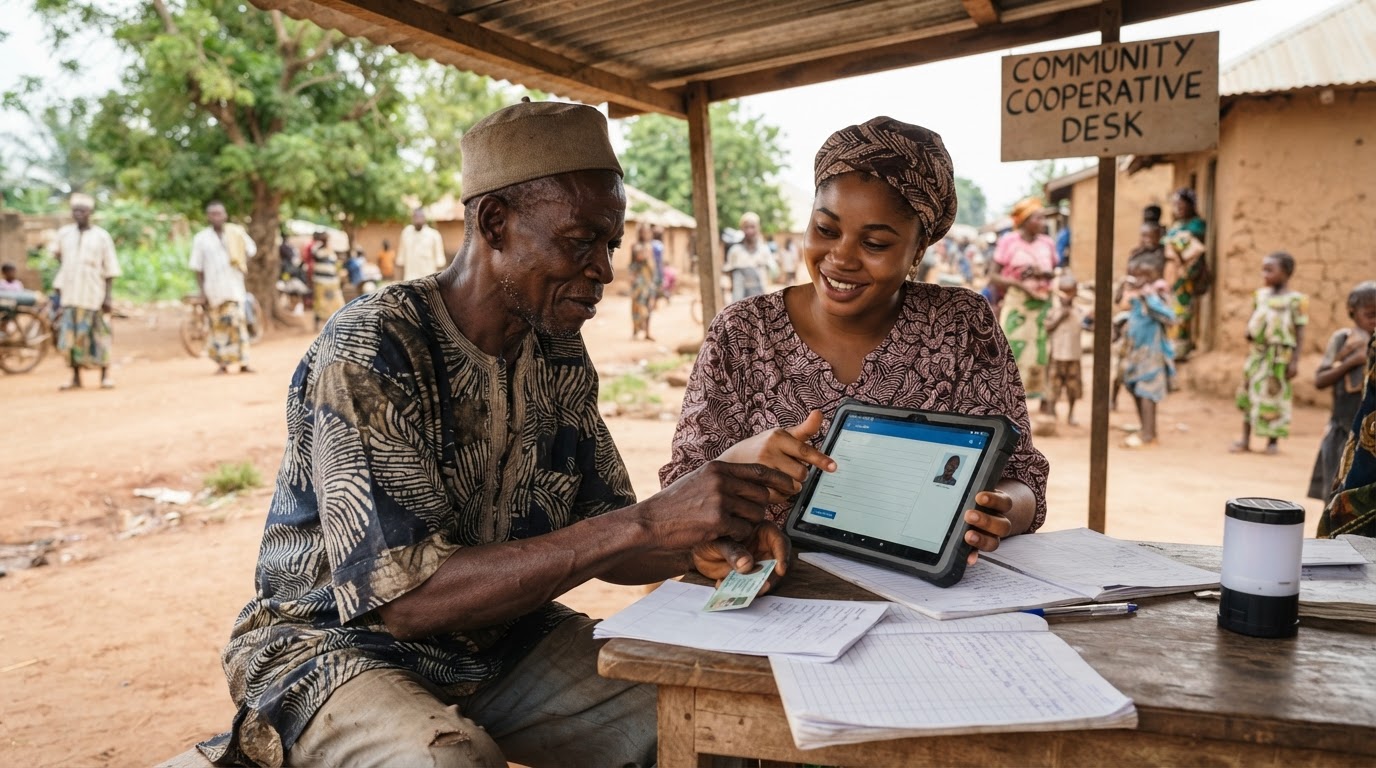
A reliable farmer registry could help government identify the people it intends to support, reduce duplication and better plan interventions. If records include location, farm size, crops, production history and other relevant information, officials may be able to estimate demand for seed, fertiliser, extension services, irrigation and storage more accurately.

Without dependable data, programmes can be designed around assumptions. Input distribution may reach farmers who are already connected to government, while smaller or remote producers remain outside the process. A credible registry could make those gaps visible and improve the way resources are allocated.
Jigawa’s own agricultural agency describes digital systems including a farmer information database, input voucher platform, advisory services and market information. The agency’s digital agriculture programme sets out how geolocated farm data and digital services are intended to connect farmers, suppliers, extension agents and buyers.
Avoiding exclusion
Digital identification can improve targeting, but it can also exclude farmers if enrolment requires equipment, documents, connectivity or skills that people in rural communities do not have. Women farmers, tenants, seasonal producers and people farming small or fragmented plots may face particular difficulties if the registration process assumes formal land ownership or smartphone access.
Registration should therefore be supported by local offices, extension workers, cooperative groups and community-based enrolment. Farmers need a way to correct mistakes, update their details and challenge a record that wrongly excludes them. The system should not treat a missing digital entry as proof that a person is not a farmer.
Data quality is equally important. If information is entered once and never updated, it can quickly become misleading. Farmers change crops, land arrangements, locations and production plans. A registry needs a clear process for verifying records and removing duplicates without erasing legitimate farmers who share names or operate within the same family.
Public accountability
One of the most useful outcomes of a registry would be to make agricultural interventions easier to track. Government could publish the number of farmers enrolled, the geographic distribution of beneficiaries, the types of support delivered and the criteria used to select participants.
However, transparency does not require exposing private details about farmers. Personal information should be protected, while programme information that helps the public assess fairness and performance should be made available. The authorities need to explain who can access the database, what information is shared with partners and how data is protected from misuse.
Cooperatives need buyers
The second executive framework is aimed at making agricultural cooperatives more commercially oriented. Cooperatives can help farmers pool resources, negotiate prices, obtain inputs, access credit and meet the volumes required by processors or large buyers.
But a cooperative becomes useful because it delivers services and creates value for members—not because it has a formal name, leadership structure or membership register. Many farmer groups struggle with weak management, limited capital, poor record keeping and dependence on temporary projects. Strengthening cooperatives will require training, transparent governance, financial accountability and genuine buyer relationships.
Market-oriented cooperatives also need to avoid becoming intermediaries that exclude members or control access to programme benefits. Farmers should understand how decisions are made, how revenue is distributed, what deductions are taken and how they can hold leaders accountable.
Making data useful
The test for Jigawa’s digital farmer framework will be whether it makes support easier to access and better targeted. Officials should track whether registration leads to improved input delivery, access to finance, advisory support, market connections and measurable farm outcomes. It should also be possible to identify where the system fails to reach people.
The new frameworks could give Jigawa a stronger foundation for agricultural planning and help the state connect farmers to programmes and private investment. Yet the technology and regulations will matter only if they are built around farmers’ realities. Better data is a useful tool, but it becomes meaningful when it improves decisions, protects users and delivers practical benefits in the field.