


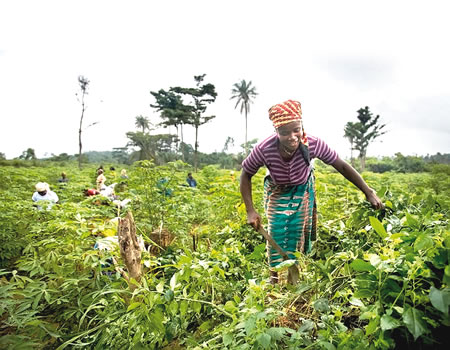
The Federal Government and the Bank of Agriculture (BOA) have announced a partnership expected to expand access to affordable loans, modern equipment, improved farm inputs and markets for millions of Nigerian women working in agriculture.
The programme, known as the Renewed Hope Women Agro-Value Expansion (RH-WAVE), is built around a memorandum of understanding signed by the Federal Ministry of Women Affairs and Social Development and the Bank of Agriculture in Abuja on August 4.
According to the Federal Ministry of Information, the initiative aims to reach at least three million women over the next three to five years across Nigeria’s six geopolitical zones. The first phase is expected to begin in Plateau, Kaduna, Katsina, Kano, Sokoto, Bauchi and Nasarawa states.

What the programme promises
Under the agreement, the first 10,000 beneficiaries are expected to access agricultural loans at preferential interest rates below 10 per cent annually. A dedicated financing window for greenhouses is also planned to support year-round production and climate-smart farming.
The partnership also proposes women-led agricultural hubs equipped with tractors, solar-powered dryers and processing facilities. The hubs are expected to provide services that can help women reduce manual labour, preserve produce and improve the value of what they sell.
Another part of the plan is to create aggregation channels through which women farmers can sell their produce at guaranteed minimum prices above prevailing market rates. If properly implemented, this could help reduce the pressure on farmers who are often forced to sell quickly after harvest because they lack storage or bargaining power.
Delivery will matter more than the target
At the signing, the Minister of Women Affairs, Imaan Sulaiman-Ibrahim, said the programme was designed to move women beyond subsistence farming into more structured and commercially viable agribusinesses.
The Bank of Agriculture’s managing director, Ayodeji Sotinrin, said the bank would begin by supporting 200,000 women, with plans to expand through the partnership. The ministry’s stated ambition of reaching three million women is a longer-term target, not a figure already achieved.
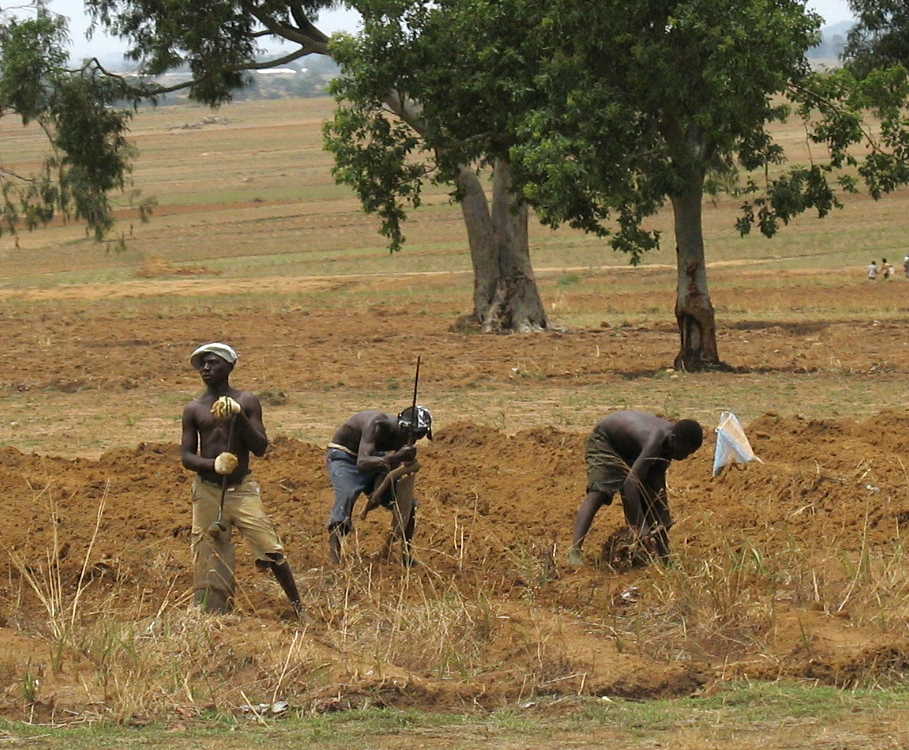
The distinction is important because access to agricultural credit has remained a major challenge for small-scale producers. Many women also face difficulties securing land, providing collateral, obtaining machinery and reaching buyers on favourable terms.
For the programme to make a measurable difference, eligible women will need clear information on how to apply, transparent beneficiary selection, timely disbursement and practical support beyond the announcement. The proposed hubs and market arrangements will also need to reach farming communities rather than remain concentrated in major centres.
Women play significant roles in Nigeria’s production, processing and marketing of food. Expanding their access to finance and equipment could strengthen household incomes and food supply, but the impact will depend on whether the promised support reaches the farmers it is intended to serve.
The issue is closely linked to Nigeria’s wider food security challenge, including the growing number of people projected to face acute food insecurity. Harbinger previously examined the food crisis projections facing the country.