


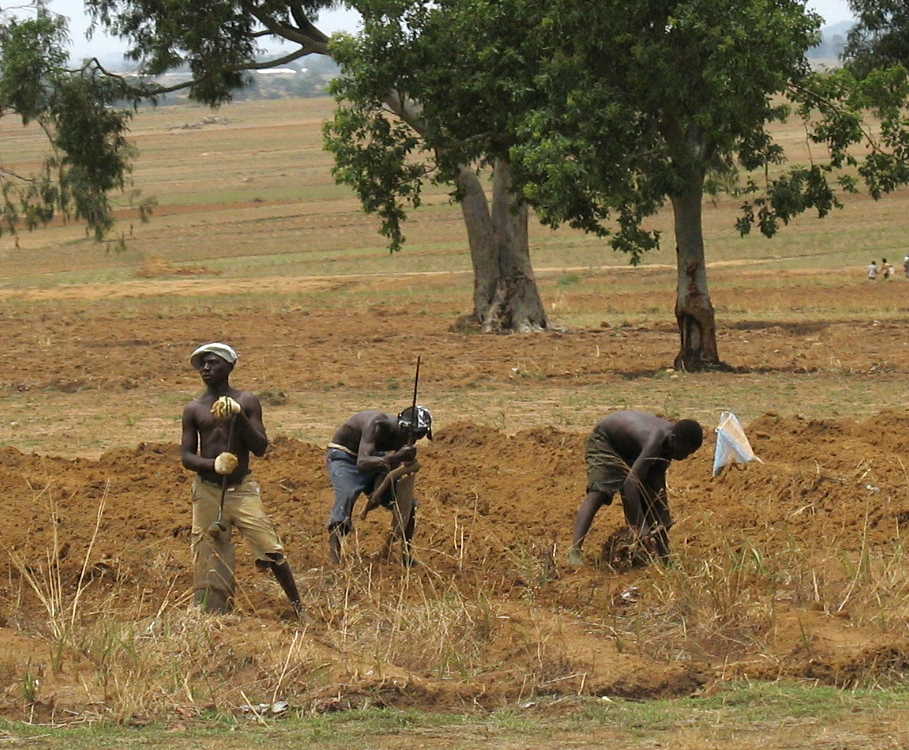
Digital farming in Nigeria is helping some farmers improve the value of their crop sales, but new research suggests that access to technology does not automatically translate into higher farm productivity.
The finding comes from research highlighted by the International Food Policy Research Institute (IFPRI) on November 4. The study examined users of Crop2Cash, a private digital agricultural advisory platform, and found that users recorded an average crop sales value of ₦161,520 more than comparable non-users. The gains were linked mainly to improved marketing, including access to price information, post-harvest advice and connections to buyers.
However, the research found no significant average effect on crop productivity or adoption of 19 sustainable agricultural practices promoted through the service. It also found that uptake remained limited, particularly among women. The findings are summarised in IFPRI’s Evidence for Africa research update.

Better market information
For many smallholder farmers, the challenge does not end when crops are harvested. Finding buyers, knowing prevailing prices and negotiating a fair deal can determine whether a season’s work produces a reasonable return.
A farmer who has little information about prices in nearby markets may accept the first offer from a trader. Access to market information can widen the farmer’s options and help with decisions about when and where to sell. Advice on post-harvest handling can also help reduce losses before produce reaches buyers.
The Crop2Cash findings are important because they point to a benefit of digital agriculture that is sometimes overlooked. Technology may improve the business side of farming even when it does not immediately increase the quantity harvested.
The productivity question
The absence of a significant average productivity effect is just as important as the reported increase in sales value. It suggests that digital advice about markets cannot, on its own, resolve problems such as poor access to quality seed, fertiliser costs, irrigation, pests, inadequate equipment and limited extension support.
A farmer may learn where a crop is selling at a better price but still have a poor harvest because rainfall was inadequate or the cost of inputs prevented proper cultivation. Digital platforms are therefore most useful when they complement practical support rather than being treated as a substitute for it.
The findings also challenge the assumption that putting agricultural information on a phone is enough to guarantee that farmers will use it. Network coverage, data costs, language, literacy, access to smartphones and confidence in the information can all influence whether a service becomes part of a farmer’s routine.
Women remain harder to reach
IFPRI’s finding that uptake was limited among women deserves attention. Women play important roles in agricultural production, processing and trade, but they may face barriers to owning phones, paying for data, accessing training or controlling the income generated from farming.
If digital agriculture is to reach more farmers, developers and public agencies need to understand who is using the services and who is being left out. Counting registered users alone may give an incomplete picture if women and poorer farmers are not actively benefiting.
From downloads to results
Nigeria has invested in digital agriculture initiatives, including mobile advisory platforms and online market services. Harbinger has previously examined how digital marketplaces are changing the way farmers sell produce. The new findings add a useful distinction: better market access can improve sales value, but it should not be confused with higher productivity.
Future assessments should therefore measure more than the number of farmers registered on a platform. They should examine whether farmers receive timely advice, use it, secure better prices, reduce post-harvest losses and increase their income. They should also report results separately for women and other groups who may face barriers to adoption.
The evidence from northern Nigeria does not suggest that digital farming has failed. It shows that its benefits are specific, and that the next stage of agritech development must connect information services with the inputs, infrastructure and market access farmers need.