


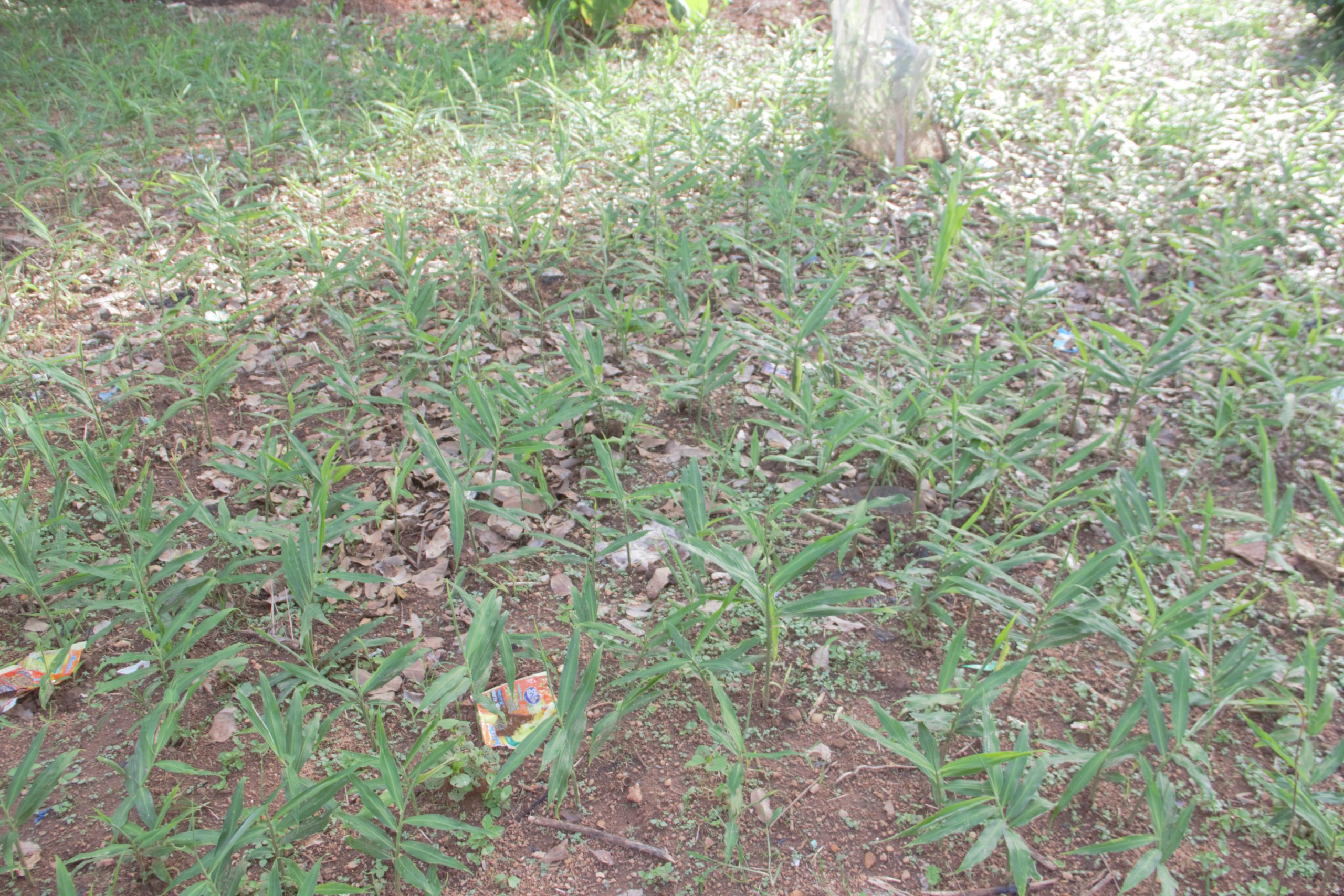
Ginger farmers in Kachia Local Government Area of Kaduna State are reporting promising harvests following an intervention by the Bank of Agriculture aimed at reviving production after a devastating ginger blight outbreak.
The intervention provides ginger planting materials and agricultural extension services to farmers affected by the disease. The bank said the programme has reached approximately 3,400 farmers across 15 farming clusters, with plans to extend assistance to other communities and states.
Bank targets recovery after blight losses
The bank’s Managing Director, Ayodeji Oludare Sotinrin, inspected farms and harvested produce during a visit to the area. He said the programme was introduced to help rebuild Nigeria’s ginger industry following severe production losses.

The chairman of Kachia Local Government Area, Daniel Maigari, said the blight had destroyed about 90 per cent of production in the area, dealing a major blow to farmers who depended on ginger for their livelihoods.
Farmers to access financing and extension support
The Bank of Agriculture said it was providing agricultural financing at an interest rate of nine per cent, in line with the government’s directive to improve farmers’ access to credit. The recovery effort also involves government institutions, agricultural researchers, extension services and farmer groups.
The intervention comes as farmers across the country face pressure from production costs, climate-related challenges and gaps in access to farm inputs. Harbinger previously reported on affordable irrigation options for Nigerian farmers, while another report examined regenerative agriculture training for women farmers in Kaduna.
Support also planned for cassava and maize growers
Beyond ginger, the bank is exploring support for cassava growers by working with processors to find buyers for produce left on farms. It also cited a guaranteed minimum price programme for maize as part of efforts to protect farmers against unfavourable market prices.
The early signs of recovery offer hope to affected farmers. However, sustained access to quality planting materials, affordable finance, technical advice and reliable markets will be essential to rebuilding the ginger value chain and restoring livelihoods in the affected communities.