


By Elizabeth Olagoke Abai
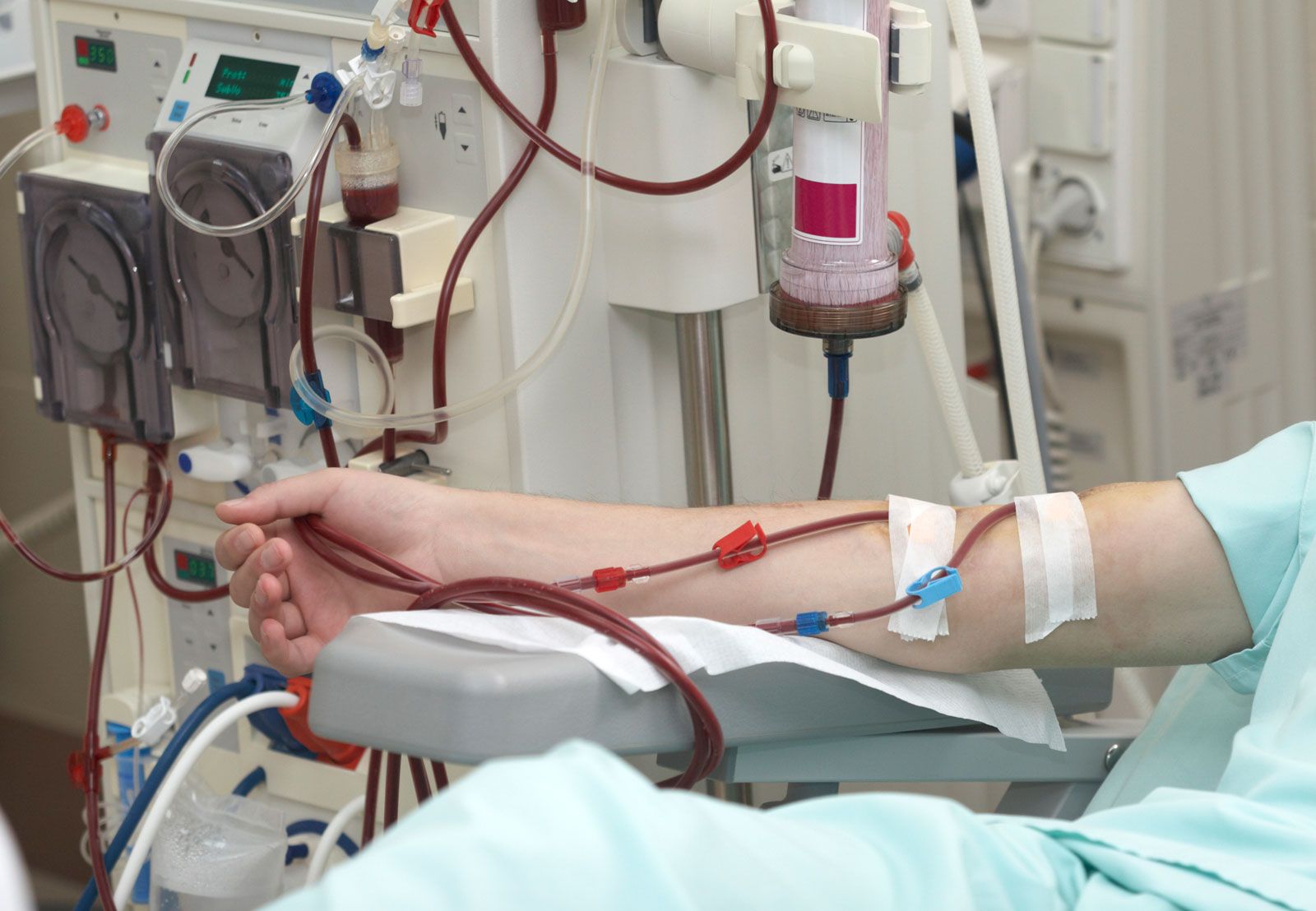
When the dialysis machine at a private Center at Onitsha, government hospital stopped working, it marked a critical turning point for 36-year-old Rukeowe Sodje, whose battle with Chronic Kidney Disease had already reached a fragile stage.
For her mother, Mrs. Onoberheie Victoria, that moment signalled more than a technical failure, it became a race against time in a health system struggling to keep up.

“The government dialysis center broke down when we needed it most,” she said.
By then, Sodje’s condition had progressed from an initial diagnosis of kidney enlargement in 2022 to end-stage kidney failure, despite treatment at major facilities including the University College Hospital, Ibadan, and the Federal Medical Centre, Asaba.
With public care unavailable, the family turned to a private hospital, where dialysis became the only option.
What began as a once-a-week procedure soon escalated to three sessions weekly, each coming with mounting financial and physical strain.
“We spent millions. Everything we had went into keeping her alive,” Mrs. Victoria said.
Doctors advised a kidney transplant as the only long-term solution, but the cost, running into millions of naira for surgery and lifelong medication, placed it beyond the family’s reach.
For many Nigerians, access to such treatment remains limited, leaving families to rely on dialysis as a temporary lifeline rather than a cure.
As her daughter’s health declined, Mrs. Victoria questioned the toll of the procedure.
“She was stronger before dialysis started. Afterwards, she began to wither,” she said.
A Growing but Underreported Crisis
Nigeria is facing a silent surge in kidney disease, with an estimated 25 million Nigerians living with chronic kidney disease, according to health experts.
This places the country among those with the highest burden in sub-Saharan Africa.
Globally, studies show that West Africa has a CKD prevalence of about 16%, one of the highest rates on the continent. Yet, Nigeria still lacks comprehensive national data, making the true scale of the crisis difficult to fully capture.
Even more troubling is how the disease progresses. Research indicates that about 90% of patients die within 90 days of starting dialysis in low-resource settings, largely due to cost and limited access to sustained care.
Access to Dialysis
A System Under Strain
While dialysis is the most common life-sustaining treatment for end-stage kidney disease, access remains critically low.
A global nephrology study found that only about 2% of Nigerians with end-stage kidney disease receive haemodialysis, largely due to financial barriers and weak health insurance coverage.
Even among those who start treatment, survival is uncertain. Reports show that 80% of patients cannot sustain dialysis beyond three months, often due to the high cost of care.
Recent reports show that dialysis costs between ₦50,000 and ₦100,000 per session, with patients requiring up to three sessions weekly.
This translates to about ₦600,000 monthly for dialysis treatment, a figure far beyond the income of most Nigerians.
Infrastructure Gaps and System Failures
Nigeria’s healthcare system continues to struggle with infrastructure and capacity.
Despite government efforts, only a small fraction of facilities offer subsidised care.
Reports indicate that government-supported dialysis centres cover less than 1% of facilities, leaving most patients dependent on private hospitals.
Medical experts, however, note that dialysis does not cure Chronic Kidney Disease but helps remove waste products like urea and creatinine from the blood when the kidneys fail. Patients placed on dialysis are often already in advanced stages of illness, where survival depends on consistent treatment.
A dialysis nurse in Lagos, Mrs. Bukola, explained that while the procedure sustains life, the underlying disease often determines the outcome.
Across Nigeria, cases like Sodje’s reflect broader systemic challenges.
Public dialysis centres frequently face equipment failures and limited capacity, while private treatment remains unaffordable for many.
At the same time, Chronic Kidney Disease continues to rise, driven by conditions such as hypertension, diabetes, and untreated infections.
Health experts warn that late diagnosis remains a major concern, as many patients are unaware of the disease until it reaches advanced stages.
“People don’t check their health until it’s too late,” Mrs. Victoria said.
She noted that poor awareness and limited access to routine screening contribute to the growing burden, with even preventable conditions such as untreated urinary tract infections posing long-term risks, particularly among children.
Now raising her late daughter’s two children, Mrs. Victoria called for greater emphasis on prevention and stronger health systems.
“Check your health early. Don’t wait. Prevention is better than everything we went through,” she said.