


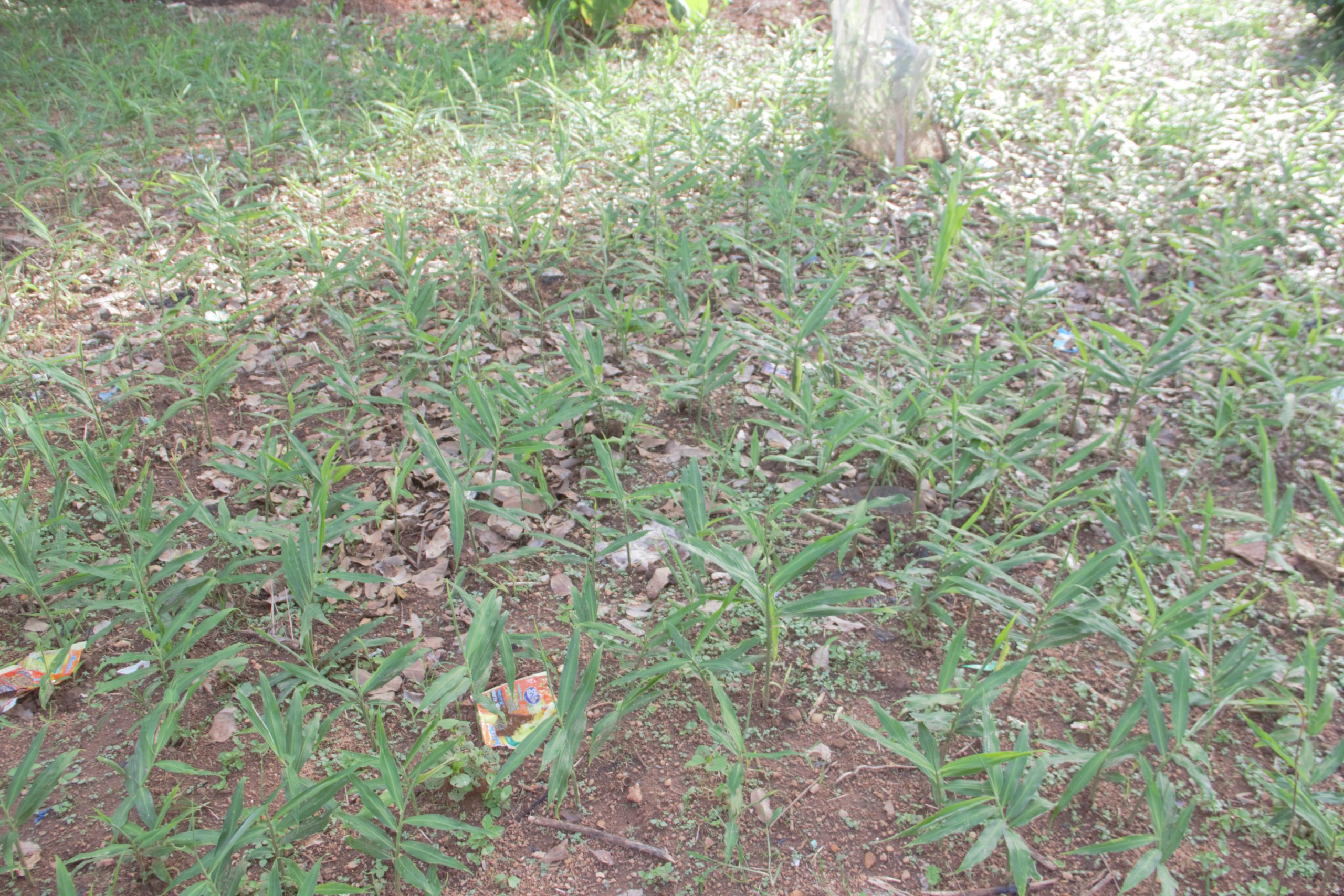
Nigerian rice and cassava farmers could gain access to more tailored digital farming advice under a new international effort to expand agricultural innovations, raising the possibility of better-informed decisions on planting, fertiliser use and other production activities.
What does this development mean for farmers in Nigeria, particularly those who struggle to obtain regular guidance from agricultural extension officers?
The development follows the selection of eight agricultural innovations by the CGIAR Scaling Fund, announced on October 29, 2026. The selected projects span seven CGIAR research centres and ten countries, covering areas such as crop advice, irrigation, livestock services, fisheries, rice processing and land restoration. One of the selected innovations, AKILIMO, is being expanded in Nigeria and Tanzania through the integration of RiceAdviceLite into a platform already working with more than 100 cassava value-chain partners. CGIAR’s announcement provides details of the selected innovations.

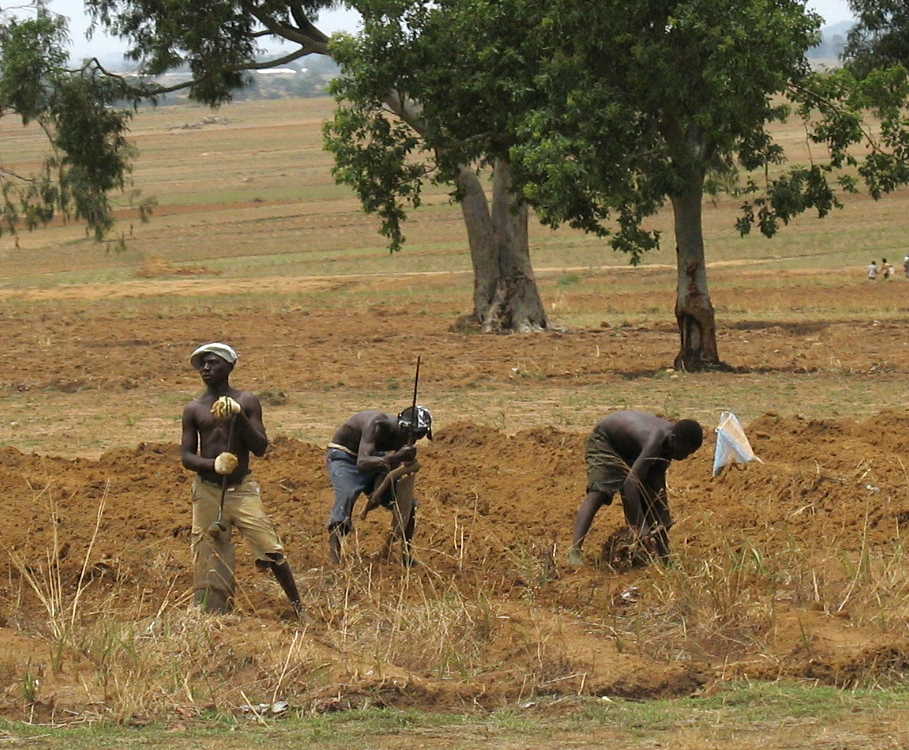
What does this mean for Nigeria?
The most immediate significance is that Nigeria is specifically named among the countries where the rice and cassava advisory platform is being used. Unlike broad continental technology announcements, this innovation has a direct connection to Nigerian farmers and agricultural value chains.
AKILIMO provides tailored recommendations intended to help farmers make decisions about crop production, including planting and fertiliser use. By bringing rice advice together with an existing cassava advisory platform, the initiative aims to make relevant information easier to access through established relationships in the value chain.
For farmers who cannot regularly reach an extension officer, digital recommendations may help fill part of the information gap. Better guidance on planting practices and fertiliser use can help farmers avoid decisions based solely on guesswork or advice that does not reflect their farm conditions.
Why extension services remain important
Digital tools should not be treated as a complete replacement for agricultural extension workers. Farmers may need help interpreting recommendations, identifying crop problems, choosing suitable inputs and adapting general guidance to local soil, weather and market conditions.
For a digital advisory platform to be useful at scale in Nigeria, it must work in languages farmers understand and through devices and channels they can access. It should also account for differences in farm size, local varieties, input availability and the cost of adopting recommended practices.
There is also a question of continuity. Farmers need to know whether the service will remain available, who maintains it, how recommendations are updated and whether the information is independent and reliable. The CGIAR announcement describes the innovation and its scaling support, but does not provide a nationwide farmer coverage target or guarantee that every Nigerian rice and cassava farmer will receive the service.
More than an app: the challenge of scaling
CGIAR says its Scaling Fund combines catalytic grants with technical assistance, expert guidance and peer learning to help innovations move beyond successful trials. The organisation identifies a recurring problem in agricultural research: solutions may work in a pilot but struggle to expand because they lack financing, delivery partners or institutional support.
That challenge is familiar in Nigeria, where agricultural technology adoption is affected by affordability, connectivity, weak extension coverage and limited access to finance. Harbinger previously explored these obstacles in its report on the digital divide facing Nigerian farmers.
Other innovations selected by CGIAR also offer lessons for the country. They include a pay-as-you-go solar irrigation model developed in Ghana and climate-smart fish-processing technologies being promoted around Lake Victoria. These examples show that agricultural innovation can involve financing models, equipment and market systems as well as software.
What Nigeria needs to make the opportunity count
Research institutions, state agriculture ministries, farmers’ cooperatives and private agribusinesses could help connect digital advisory services to the communities that need them. Public extension systems can also work with technology providers to test whether recommendations are understandable, affordable and relevant to different farming environments.
Most importantly, the impact should be measured by outcomes rather than downloads or registrations. Relevant measures include whether farmers use the advice, whether it improves production decisions, whether costs are reduced and whether farm incomes or crop quality improve over time.
The CGIAR selection gives Nigerian rice and cassava farmers a direct place in a wider effort to scale agricultural innovation. The next question is how far that support can reach, and whether the advice will translate into practical improvements on farms across the country.