


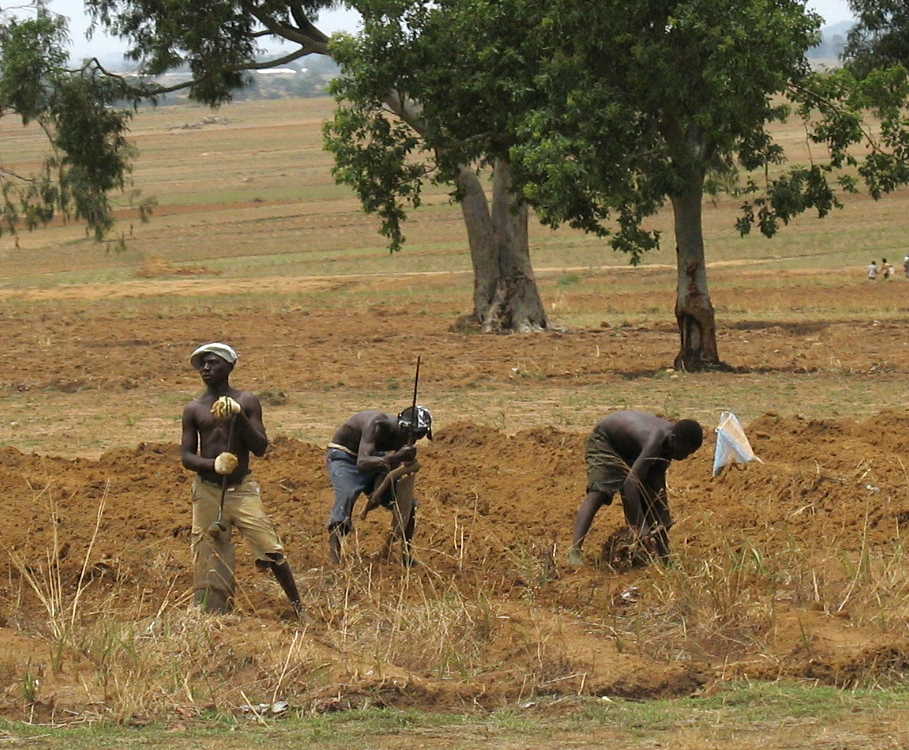
Nigeria’s debate over genetically modified crops has returned to the streets, with farmers and civil society groups demanding stronger protection for indigenous seeds and greater investment in smallholder agriculture. The renewed campaign has implications for how the country balances agricultural innovation, farmer choice and food security.
What does this debate actually mean for Nigerian farmers, consumers and the future of the country’s food system?
The question followed a protest in Lagos on October 29, 2026, organised by the Health of Mother Earth Foundation, Corporate Accountability and Public Participation Africa, Environmental Rights Action/Friends of the Earth Nigeria and the GMO-Free Nigeria Alliance. The demonstrators marched from Ikeja Bridge towards the Lagos State House of Assembly, calling for protection of indigenous seed varieties, more support for smallholder farmers and stronger scrutiny of genetically modified organisms (GMOs). Assembly officials received their submission but told the delegation that lawmakers were on recess until November 9. The Guardian reported on the protest.

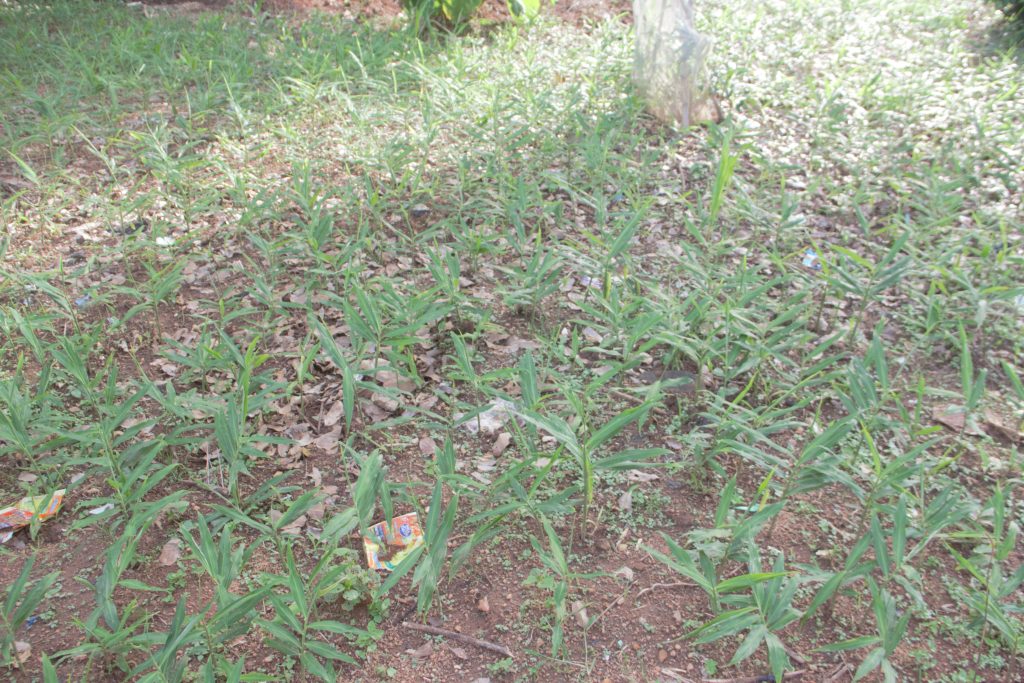
What does this mean for Nigeria?
At its centre, the debate is about who controls the seeds farmers plant, how agricultural technologies are assessed and whether farmers have meaningful choices between different seed systems. Indigenous and locally adapted varieties can carry cultural, nutritional and agricultural value. Preserving them matters for biodiversity and for farmers who depend on seed-saving and exchange practices.
At the same time, agricultural biotechnology is often presented by its proponents as one tool that may help address particular production problems, including crop pests and diseases. The policy question is not resolved by slogans for or against GMOs. It requires transparent evidence about each crop and trait, the conditions under which it is used, its possible benefits and risks, and the protections available to farmers and consumers.
What Nigeria’s regulatory system says
Nigeria has a statutory regulator for modern biotechnology. The National Biosafety Management Agency says genetically modified organisms must pass through an approval process involving applications, scientific data, risk assessments, expert review and public notice. The agency also says it conducts monitoring after approvals and that GMO labelling is required under its regulatory framework. The agency’s explanation of its approval process is available here.
This regulatory position is important context for the current protest. Claims made by campaigners about health, environmental or seed-contamination risks should be reported as their concerns unless supported by specific scientific evidence. Equally, the existence of a regulatory approval should not prevent public scrutiny, access to information or questions about monitoring and enforcement.
The National Biosafety Management Agency also maintains a public database of GMO approvals and regulatory information. Making such information accessible and understandable can help farmers, researchers and consumers engage with the issue on the basis of evidence.
Why seed choice matters to smallholder farmers
For small-scale farmers, seed decisions affect more than the first planting season. They influence production costs, the ability to save seed, access to markets and the degree of dependence on commercial suppliers. Farmers need clear information about seed performance, suitability for local conditions, purchasing costs and any restrictions attached to particular varieties.
Government support for indigenous seed systems should therefore include conservation, research, community seed banks, farmer training and access to quality locally adapted varieties. Such support need not prevent scientific research or the responsible assessment of other technologies. The challenge is to ensure that innovation does not come at the expense of transparency, choice or farmers’ livelihoods.
Food security needs more than a seed argument
Nigeria’s food challenges cannot be reduced to whether farmers use conventional or genetically modified seeds. Insecurity, poor rural roads, expensive fertiliser, limited irrigation, post-harvest losses, inadequate storage and weak access to finance all affect the amount of food that reaches consumers and the price they pay.
Harbinger has examined how food can remain expensive despite agricultural production in its analysis of Nigeria’s food price paradox. The same wider perspective is needed in the GMO debate: seed policy matters, but it is only one part of a much larger food system.
The next step should be a public discussion that brings farmers, independent scientists, regulators, seed developers, consumer groups and policymakers to the same table. It should examine evidence crop by crop, protect the right of farmers to make informed choices and ensure that both conventional and biotechnology-based approaches are assessed transparently.
For Nigerian agriculture, the issue is not simply whether a technology is new or traditional. It is whether farmers have reliable information, fair choices and the support to produce food safely, sustainably and profitably.