


Stakeholders in Nigeria’s agricultural sector have called for urgent reforms to improve access to land for smallholder women farmers and young people, warning that existing legal and structural barriers continue to limit agricultural productivity and food security in the country.
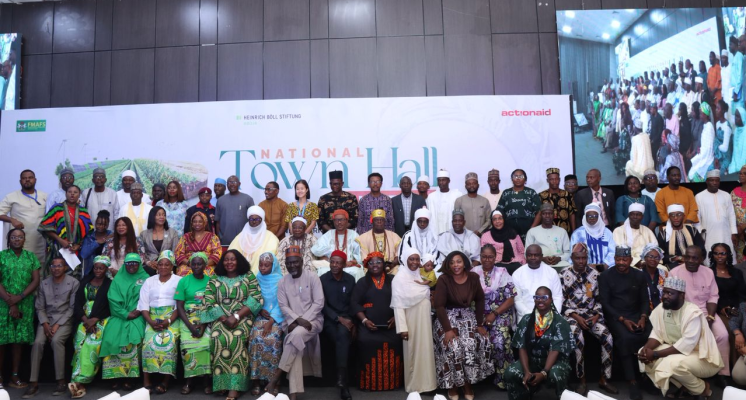
The call was made at a national town hall meeting held in Abuja, where participants reviewed challenges linked to the implementation of the Land Use Act of 1978, which vests land ownership and control in state governors.
Declaring the meeting open, the Permanent Secretary, Federal Ministry of Agriculture and Food Security, Dr Marcus Ogunbiyi, said the forum was convened to examine existing land governance structures and explore reforms that promote inclusive access to land.

Related Posts:
- Where Did the Money Go? Osun Spent Just 34% of…
- Infractions Bothering on Employees’ Taxes & Payment…
- Why Nigeria Still Struggles with Food Security
- Justice Delayed, Representation Denied: Gov…
- Nigeria’s Food Future at Risk as Climate Change…
Powered by Contextual Related Posts
He noted that land remains a critical asset for agricultural productivity, rural livelihoods, and national food security, stressing that despite its importance, access remains highly unequal.
According to him, women and young farmers continue to face legal, structural, and socio-cultural barriers that limit their participation in agriculture, particularly in rural communities where land ownership is often tied to inheritance systems and customary practices.
These challenges, he said, undermine Nigeria’s broader agricultural goals, especially at a time when the country is grappling with food inflation and rising insecurity in farming communities, as also highlighted in reports by organisations such as the Food and Agriculture Organization (FAO).
He added that the town hall provided an opportunity for stakeholders to review policies and propose practical reforms that would enhance inclusive agricultural development.
The Country Director of ActionAid Nigeria, Mr Andrew Mamedu, described the meeting as timely, noting that climate change, land degradation, and food insecurity are already affecting agricultural output across the country.
He said the organisation, through its agroecology programmes, has supported over 135,000 smallholder farmers, most of them women, while also facilitating access to farmland in states including Ondo, Delta, and Jigawa.
These interventions, he said, align with global efforts such as the UN Sustainable Development Goals (SDG 2: Zero Hunger), which emphasise food security, improved nutrition, and sustainable agriculture.
According to him, progress in the agricultural sector depends on stronger collaboration between communities, traditional institutions, and government agencies.
Participants at the meeting agreed that persistent barriers such as land disputes, gender discrimination, and administrative bottlenecks must be urgently addressed to ensure equitable access to land resources.
They also noted that Nigeria’s weak land administration system continues to affect agricultural investment, a challenge widely discussed in global land governance reports by institutions such as the World Bank Land Governance Programme.
Stakeholders emphasised that strengthening policies and institutions would be critical to achieving sustainable agricultural development, improving rural livelihoods, and boosting national food production.
The meeting is expected to produce actionable recommendations to support ongoing reforms aimed at building an inclusive, climate-resilient, and food-secure Nigeria.