


By Goodnews Eminue
Concerns are mounting over the deteriorating condition of public school infrastructure in parts of Akwa Ibom State, as teachers and community members highlight worsening learning conditions in rural areas.
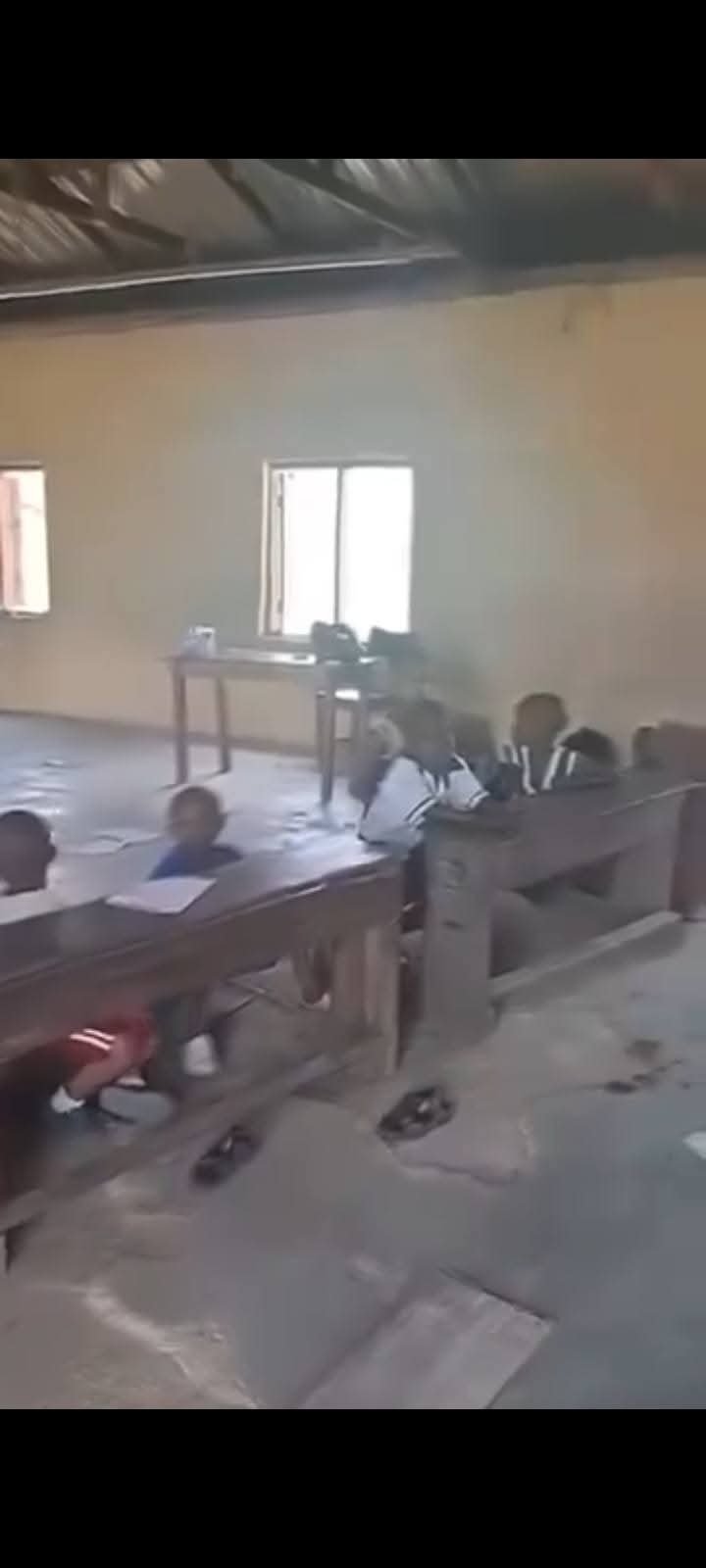
At a public primary school in Ikot Mbonde Itam, educators have drawn attention to severe infrastructure deficits, including a shortage of classroom furniture, damaged ceilings, lack of electricity, and the absence of residential quarters for teachers.
Staff members disclosed that in several classrooms, pupils sit on bare floors during lessons due to inadequate desks and chairs. Learning activities are reportedly conducted in poorly maintained buildings vulnerable to weather conditions, raising safety and health concerns.

Related Posts:
- Osun schools Remain Neglected Despite Billion-naira…
- Despite Huge Yearly Budget Allocation to Education,…
- SPECIAL REPORT: Makoko's Silent Cry: Fishermen,…
- Nigerian Students Lament Rising Living Costs Amid…
- Akwa Ibom Government Launches ARISE Tech Talent…
- Implied Terms in Contracts: Balancing Freedom and Protection
Powered by Contextual Related Posts
The situation has sparked wider debate about education funding priorities in the state, particularly following reports that the Akwa Ibom State Government is planning housing development projects in the Abuja.
Education stakeholders note that despite receiving substantial monthly allocations from the Federation Account, several rural public schools across the state continue to grapple with significant infrastructure gaps.
National data indicates that Nigeria has over 10 million out-of-school children, with Akwa Ibom contributing a notable share to the figure, particularly in underserved rural communities.
Figures from the National Bureau of Statistics (NBS) further show that approximately 26 to 28 per cent of residents in Akwa Ibom State live below the multidimensional poverty threshold, a factor experts say limits access to quality basic education.
Similar conditions have been reported in other public schools across the state. At Government Primary School, Ibiaku Uruan, pupils are said to face shortages of desks and learning materials. Community Secondary School, Nung Udoe, reportedly contends with overcrowded classrooms and deteriorating facilities, while Community Primary School, Nto Edino, is said to lack adequate instructional equipment.
Parents and residents in the affected communities have called for prompt government action to upgrade infrastructure, improve learning environments, and ensure safer, more conducive conditions for pupils in public schools.
Education advocates warn that without sustained investment in basic education infrastructure, efforts to reduce poverty, improve literacy, and expand access to schooling may remain limited.