


By Boluwatife Adedokun
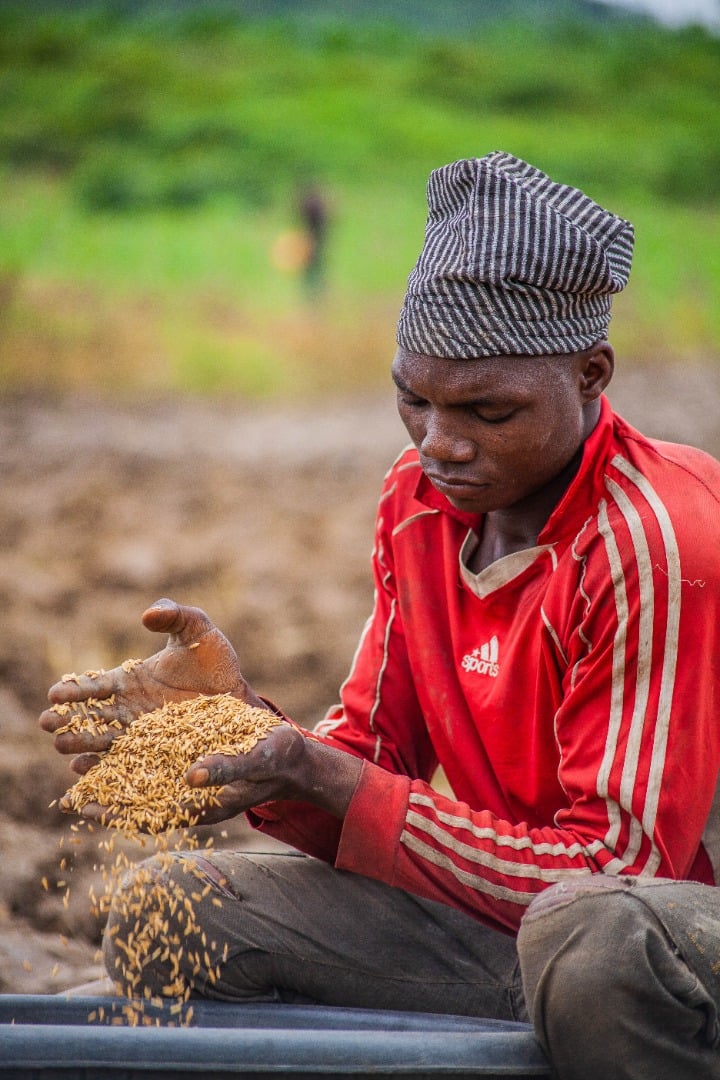
In the face of escalating climate shocks and persistent food insecurity, Nigeria’s agricultural research institutions are making bold bets on science. By developing and releasing crop varieties engineered to withstand heat, drought, and disease, they are providing what many experts call “genetic insurance” , a vital buffer for farmers confronting a more volatile future.
In Maiduguri, the Lake Chad Research Institute (LCRI) has taken center stage. In June 2025, it announced the release of 21 improved wheat varieties, six barley, and 11 millet types tailored to Nigeria’s diverse agro-ecological zones. According to LCRI’s director, these crops are designed not only for higher yield but also for resilience under water stress and disease pressure.

Related Posts:
- Climate Change and Agriculture: A Call to Action for…
- How Nigerian Farmers Are Struggling to Adapt to…
- Liberia’s Farmers Face Growing Challenges from…
- As Climate Disasters Rise, AgriTech Becomes…
- From Crisis to Innovation: AgriTech’s Role in Saving…
Powered by Contextual Related Posts
Beyond breeding, LCRI is pushing for climate-smart farming practices. The institute has developed demonstration hubs to transfer technologies around soil fertility management, integrated pest control, and efficient water use.
One of the most significant breakthroughs is the release of biofortified hybrid pearl millet. Developed in collaboration with ICRISAT (International Crops Research Institute for the Semi-Arid Tropics), CIMMYT, and HarvestPlus, these millet varieties are enriched with iron and zinc. They mature early, deliver higher yields, and are well-suited for Nigeria’s drylands.
In addition, LCRI , working with Olam Agri and ICARDA, introduced a heat-tolerant, super-early durum wheat variety named “Crown”, which can be planted during the Harmattan season. According to LCRI, the variety promises better yields and reduces the lag between wheat and rice cultivation.
The Federal Government has also ramped up support. The National Committee on Naming, Registration, and Release of Crop Varieties approved 29 improved crop types in April 2025, including several wheat, millet, and barley varieties.
Agriculture authorities are counting on these climate-adapted seeds to help reduce Nigeria’s reliance on food imports. According to the Minister of Agriculture, rainfed wheat varieties are now being planted in the highlands of Plateau and Taraba states — creating the possibility of a locally grown wheat economy.
State governments are also pushing in. In June 2025, the Jigawa State government and a private firm distributed biofortified, climate-resilient seeds to 30,000 smallholder farmers across 27 local government areas. Vanguard News
Why This Matters
These developments reflect a deeper shift in Nigeria’s food system. As climate change intensifies — with unpredictable rainfall and rising temperatures — seeds that can thrive in harsher conditions are no longer a luxury, but a necessity. By prioritising genetic resilience, research institutes are helping to protect both yield and nutrition, especially for farmers in climate-vulnerable regions.
Yet challenges remain. Seed distribution, extension services, and scaling remain hurdles. For these climate-smart varieties to truly serve as insurance, they must reach the hands of farmers — particularly smallholders who are most exposed to climate risk.
If these efforts succeed, the payoff could be enormous: safer harvests, healthier crops, and a stronger buffer against the mounting threats climate change poses to Nigeria’s food future.